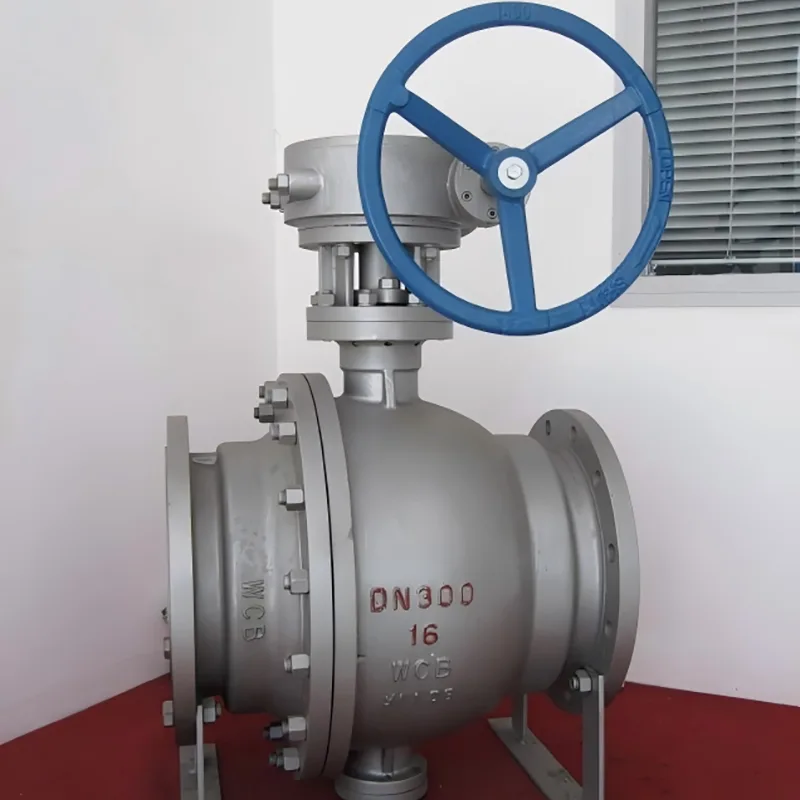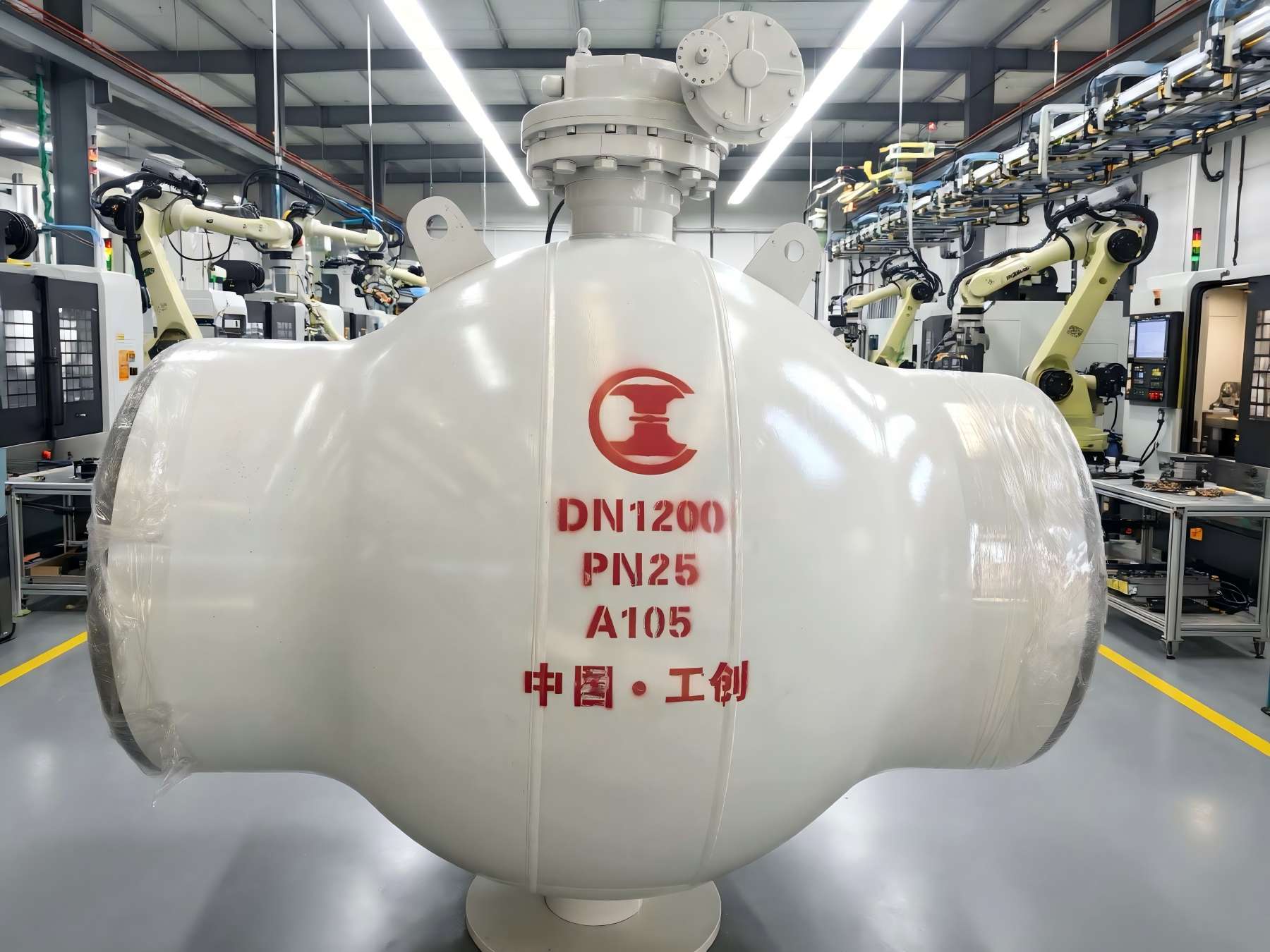
1. Wear-resistant; Since the valve core of the hard-sealed ball valve is alloy steel sprayed, and the sealing ring is alloy steel welded, the hard-sealed ball valve will not suffer significant wear during opening and closing. (Its hardness coefficient is 65-70).
2. Excellent sealing performance; Since the sealing of the hard-sealed ball valve is achieved through manual grinding, and it can only be used when the valve core and the sealing ring are perfectly aligned, its sealing performance is reliable.
3. Light Switching; Due to the fact that the bottom of the sealing ring of the hard-sealed ball valve is equipped with a spring that tightly secures the sealing ring and the valve core together, the switching operation is very light when the external force exceeds the pre-tightening force of the spring.
4. Long service life: It has been widely used in various fields such as petroleum, chemical industry, power generation, papermaking, atomic energy, aviation, rockets, etc., as well as in people's daily lives.
The pneumatic ball valve has a compact structure, reliable sealing, simple design, and convenient maintenance. The sealing surface and the spherical surface are usually in a closed state, which is less likely to be eroded by the medium and is easy to operate and maintain. It is suitable for general working media such as water, solvents, acids, and natural gas. It is mainly used to cut off or connect the medium in the pipeline, and can also be used for the regulation and control of fluids.
Compared with other types of valves, pneumatic ball valves have the advantage of a small angular output torque, quick and smooth opening, reliable performance, and wide applicability.
1. The thrust bearing reduces the frictional torque of the valve stem, enabling the valve stem to operate smoothly and flexibly for a long time.
2. Anti-static function: Springs are installed between the sphere, the valve stem, and the valve body, which can discharge the static electricity generated during the switching process.
3. Due to the excellent self-lubricating properties of materials such as polytetrafluoroethylene, there is minimal frictional loss between the valve ball and the valve body. Therefore, the service life of pneumatic ball valves is very long.
4. Low fluid resistance: The pneumatic ball valve is the type of valve with the least fluid resistance among all valve classifications. Even the reduced-diameter pneumatic ball valve has a relatively small fluid resistance.
5. Reliable valve stem sealing: Since the valve stem only undergoes rotational movement and not vertical lifting movement, the packing seal of the valve stem is less likely to be damaged, and its sealing capacity increases as the pressure of the medium increases.
6. Excellent valve seat sealing performance: The sealing ring is made of elastic materials such as polytetrafluoroethylene. The structure is easy to seal, and the sealing capacity of the pneumatic ball valve increases as the medium pressure rises.