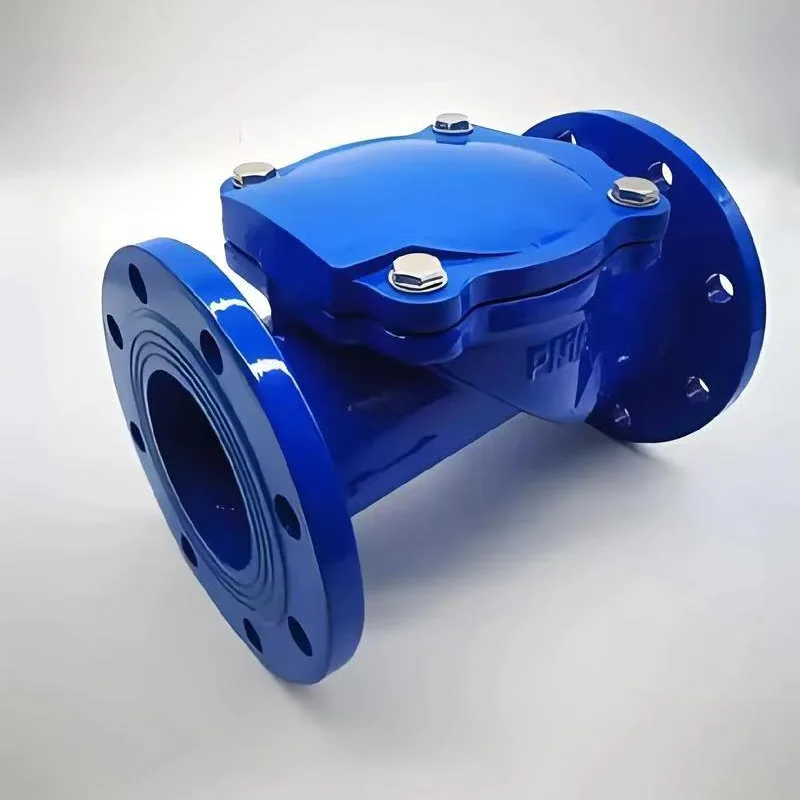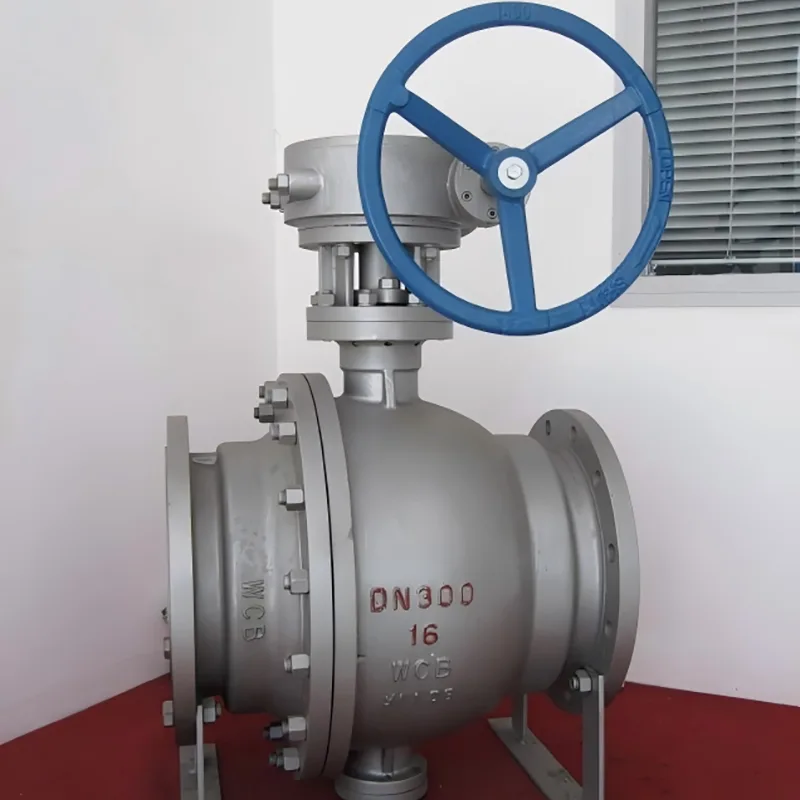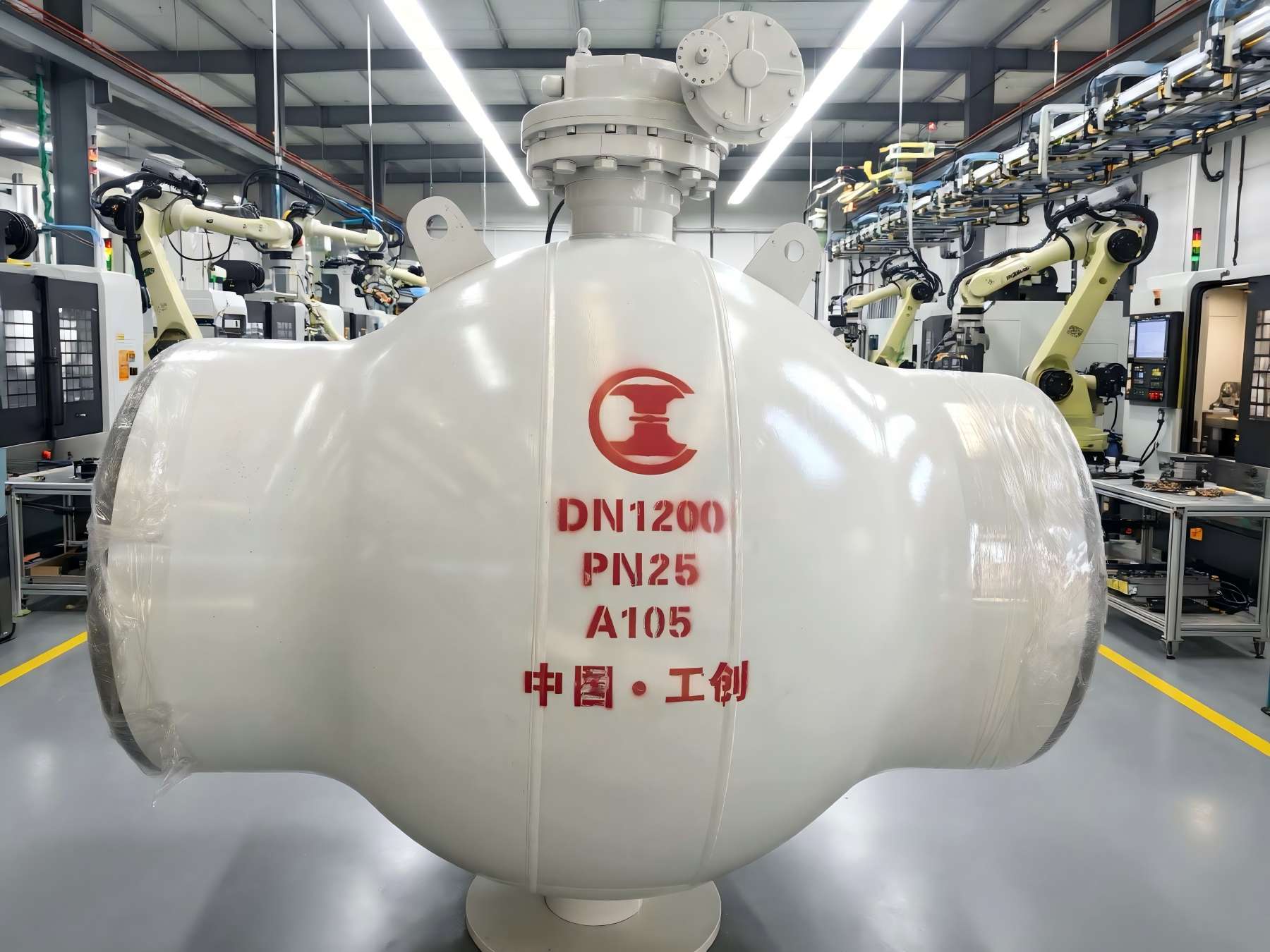
Stainless steel threaded ball valves play a crucial role in industrial and commercial fluid control systems. Known for their durability, corrosion resistance, and reliability, these valves are widely used across industries such as oil & gas, chemical processing, water treatment, and food production. This comprehensive guide explores their structure, benefits, applications, selection criteria, and maintenance practices, helping buyers make informed decisions and solve real-world challenges.
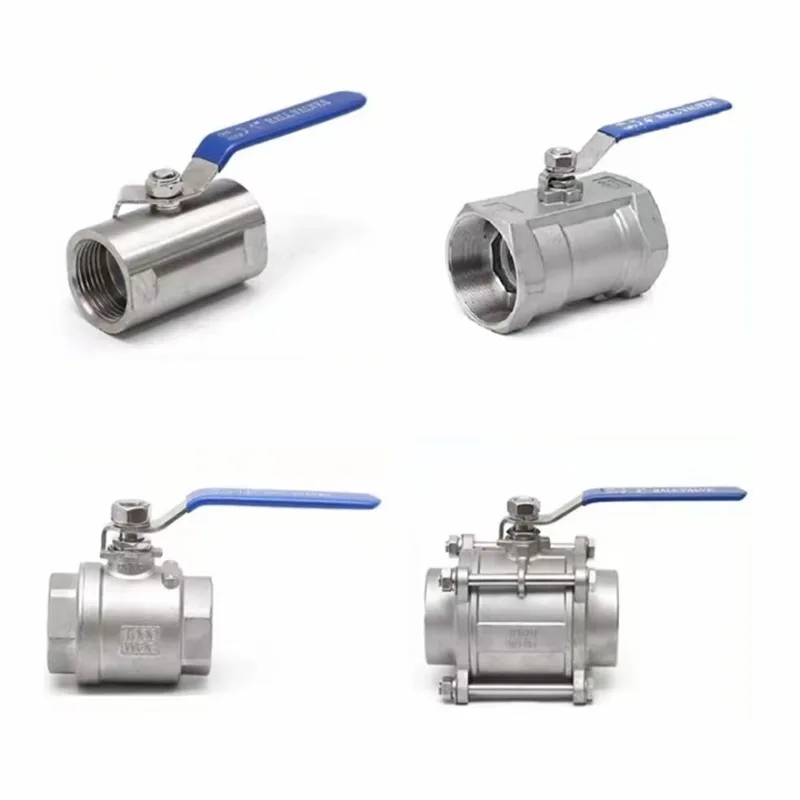
In modern fluid control systems, reliability and durability are non-negotiable. Whether handling water, gas, oil, or aggressive chemicals, selecting the right valve can significantly impact operational efficiency and safety. Stainless steel threaded ball valves have emerged as a preferred choice due to their robust design and adaptability.
Companies like Hebei Gongchuang Fluid Equipment Co., Ltd. have been at the forefront of manufacturing high-performance valves, ensuring consistent quality and innovation. But what exactly makes these valves so indispensable? Let’s explore.
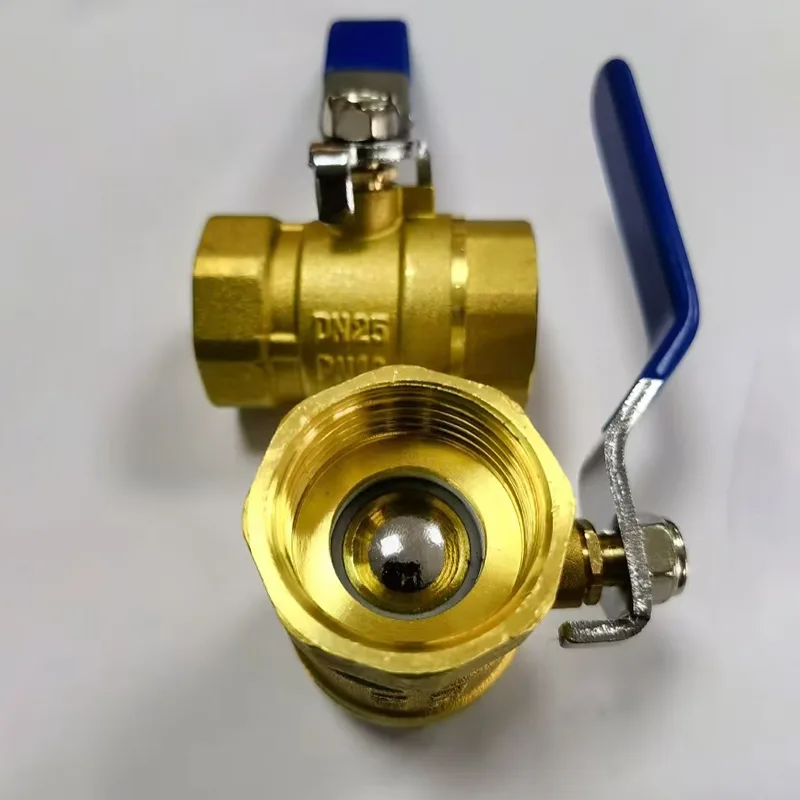
A stainless steel threaded ball valve is a quarter-turn valve that uses a hollow, perforated ball to control fluid flow. The valve opens when the ball's hole aligns with the flow direction and closes when rotated 90 degrees.
The threaded design allows easy installation without welding, making it ideal for systems requiring frequent maintenance or adjustments.
The valve consists of several key components:
| Component | Function |
|---|---|
| Body | Houses internal components |
| Ball | Controls flow through rotation |
| Stem | Connects handle to ball |
| Seats | Provide sealing around the ball |
| Handle | Manual control mechanism |
Working Principle: Rotating the handle turns the ball inside the valve. When aligned, fluid flows freely; when perpendicular, flow stops completely.
Manufacturers such as Hebei Gongchuang Fluid Equipment Co., Ltd. ensure these benefits are maximized through precision engineering and strict quality control.
| Industry | Application |
|---|---|
| Oil & Gas | Pipeline flow control |
| Chemical | Handling corrosive fluids |
| Water Treatment | Distribution systems |
| Food & Beverage | Sanitary fluid handling |
| Pharmaceutical | Cleanroom applications |
These valves are particularly valued in environments where contamination or leakage is unacceptable.
| Valve Type | Advantages | Disadvantages |
|---|---|---|
| Ball Valve | Fast operation, tight seal | Limited throttling ability |
| Gate Valve | Full flow capacity | Slow operation |
| Globe Valve | Precise flow control | Higher pressure drop |
For quick shut-off and reliability, ball valves remain the top choice.
When selecting a stainless steel threaded ball valve, consider the following:
Hebei Gongchuang Fluid Equipment Co., Ltd. offers a wide range of customizable solutions tailored to different industries.
1. Leakage Issues
Solution: Choose high-quality seals and precision-machined valves.
2. Corrosion Damage
Solution: Opt for 316 stainless steel for aggressive environments.
3. Difficult Installation
Solution: Threaded connections simplify setup without welding.
4. Short Lifespan
Solution: Invest in reputable brands like Hebei Gongchuang Fluid Equipment Co., Ltd.
Proper maintenance can extend valve life significantly and reduce downtime.
Hebei Gongchuang Fluid Equipment Co., Ltd. is recognized for delivering reliable and high-performance valve solutions. Key advantages include:
The company’s commitment to quality and innovation ensures that customers receive products that meet demanding industrial standards.
Q1: What is the difference between 304 and 316 stainless steel?
A: 316 offers better corrosion resistance, especially against chlorides and chemicals.
Q2: Can threaded ball valves handle high pressure?
A: Yes, but always check the pressure rating specified by the manufacturer.
Q3: Are these valves suitable for food-grade applications?
A: Yes, when made from appropriate stainless steel and properly certified.
Q4: How long do these valves typically last?
A: With proper maintenance, they can last many years even in demanding environments.
Q5: Why choose threaded over welded connections?
A: Threaded connections allow easier installation and maintenance.
Stainless steel threaded ball valves are a cornerstone of efficient fluid control systems. Their durability, ease of use, and adaptability make them indispensable across industries. By understanding their features and selecting the right specifications, businesses can significantly improve operational reliability.
If you are looking for high-quality, durable, and cost-effective valve solutions, Hebei Gongchuang Fluid Equipment Co., Ltd. is your trusted partner. Contact us today to get expert guidance and customized solutions tailored to your needs.