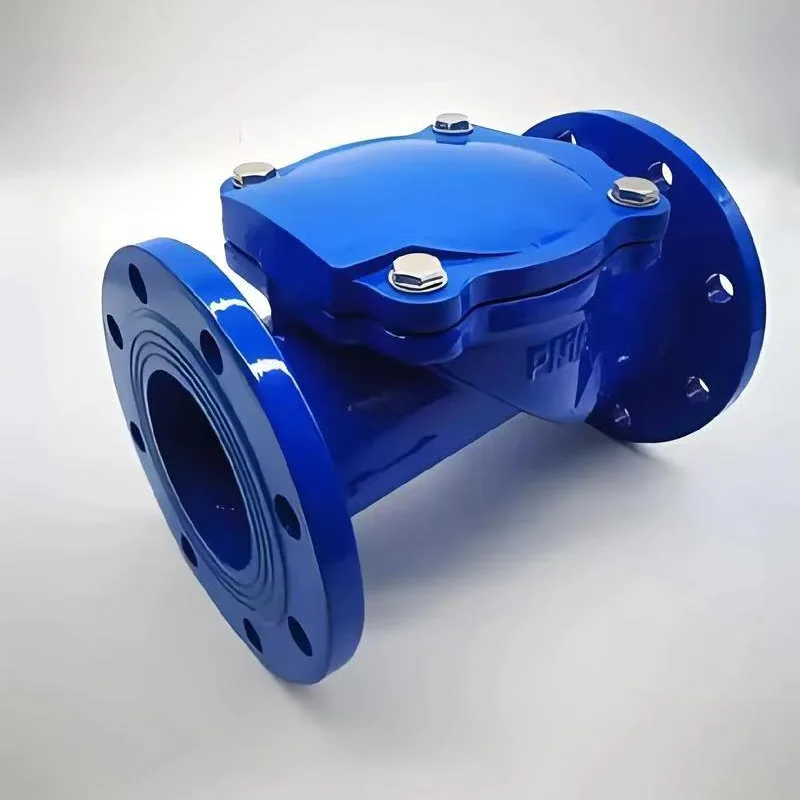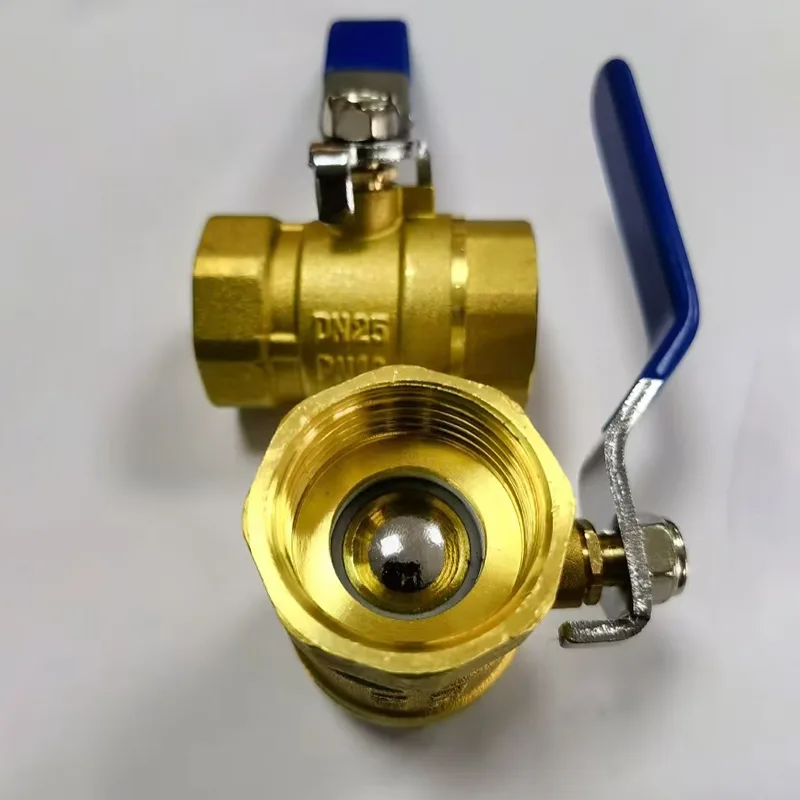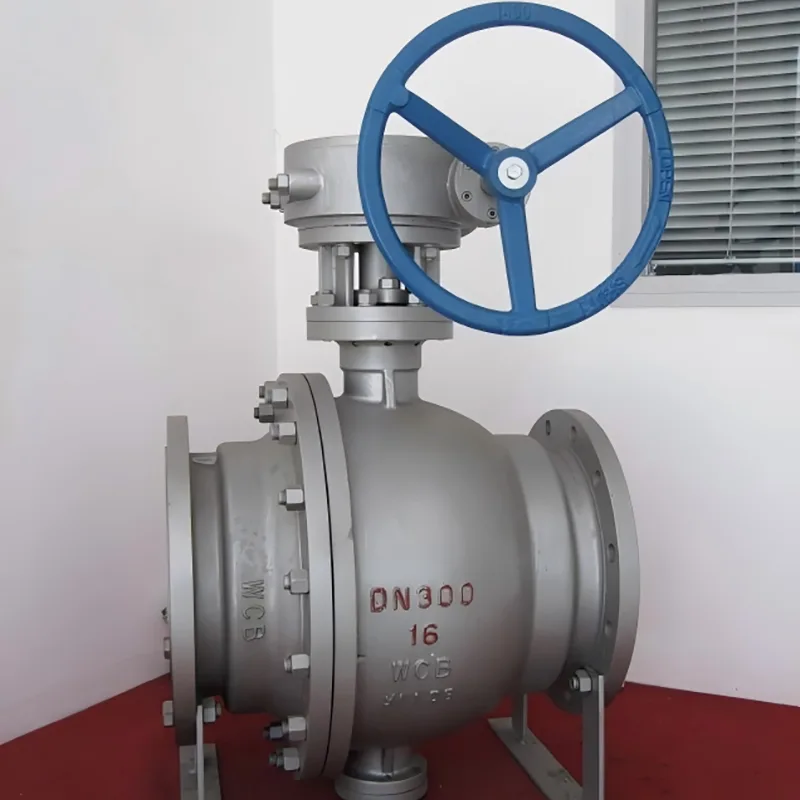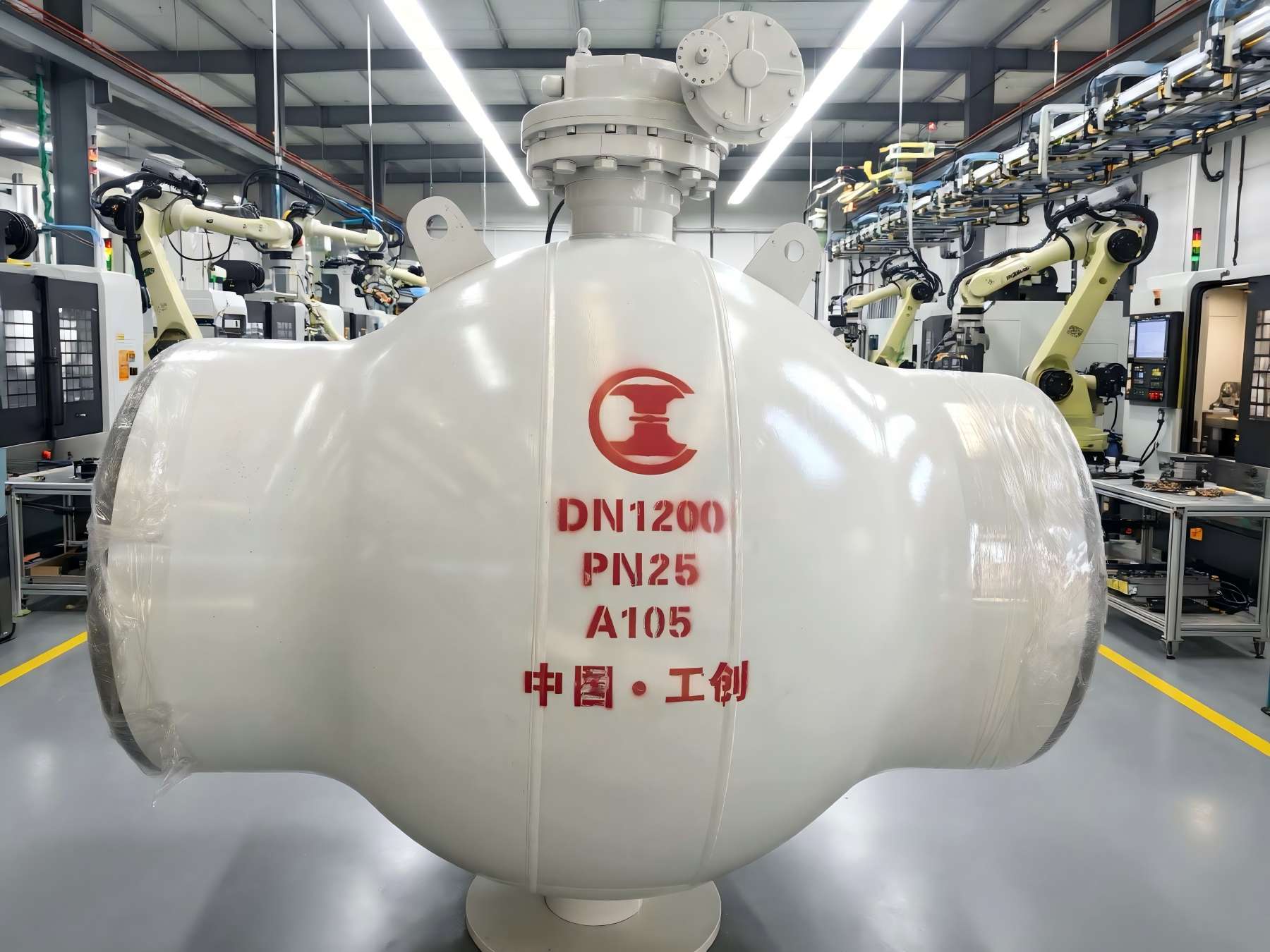
In modern industrial pipelines, reliability, safety, and quick maintenance are essential. The Wire Buckle Ball Valve has become a popular choice in many industries due to its simple locking structure, quick installation, and excellent sealing performance. Compared with traditional ball valves, the wire buckle mechanism provides enhanced security and operational convenience.
This in-depth guide explores everything you need to know about Wire Buckle Ball Valves, including their structure, working principles, advantages, applications, selection tips, maintenance strategies, and industry trends. The article also highlights solutions provided by Gongchuang, a trusted manufacturer dedicated to high-quality industrial valve systems.
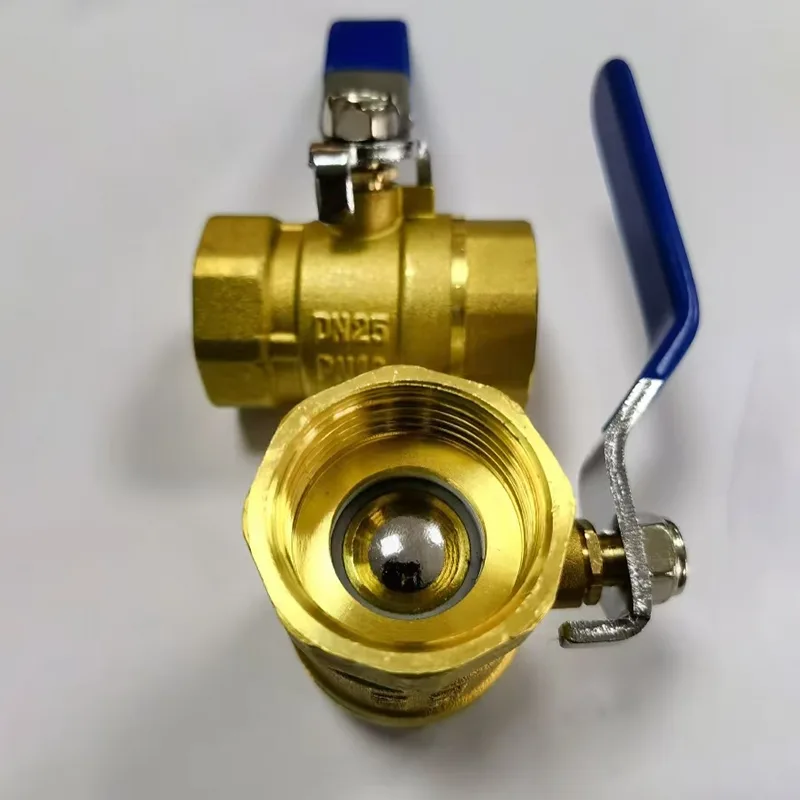
A Wire Buckle Ball Valve is a type of quarter-turn valve that uses a spherical disc (ball) to control the flow of fluids. What distinguishes it from conventional ball valves is the wire buckle locking mechanism, which secures the valve body components and prevents accidental loosening during operation.
This design offers enhanced safety and simplifies maintenance. The wire buckle can be easily removed and reinstalled, allowing technicians to perform inspections or replace components without complicated tools.
Manufacturers such as Gongchuang have refined this valve structure to provide improved durability and leak resistance, making it suitable for demanding industrial environments.
The operation principle of a wire buckle ball valve is similar to that of a standard ball valve. Inside the valve body is a precision-machined ball with a hole (bore) through the center.
The valve works through a quarter-turn motion:
The unique wire buckle locking structure secures the valve components, preventing movement or leakage caused by vibration or pressure fluctuations.
This simple mechanism ensures fast response and minimal pressure drop in the pipeline system.
Understanding the internal structure of a wire buckle ball valve helps engineers select the right model and perform proper maintenance.
| Component | Function | Material Options |
|---|---|---|
| Valve Body | Main structure that houses internal parts | Stainless steel, brass, carbon steel |
| Ball | Controls fluid flow | Polished stainless steel |
| Stem | Connects handle to ball | Stainless steel |
| Seat | Provides sealing between ball and body | PTFE, reinforced polymers |
| Wire Buckle | Locks valve structure securely | High-strength spring steel |
| Handle | Manual control of valve rotation | Steel or aluminum alloy |
Each component must meet strict quality standards to ensure long-term reliability, especially in industrial fluid systems.
Wire buckle ball valves have gained widespread adoption because they combine operational simplicity with high reliability.
The wire buckle design allows technicians to remove or reinstall parts quickly without specialized equipment.
The locking wire prevents components from loosening due to vibration or pressure changes.
High-precision seats and polished ball surfaces ensure minimal leakage even in high-pressure environments.
Because of their durability and low maintenance costs, wire buckle ball valves reduce long-term operational expenses.
Wire buckle ball valves are widely used in industries where quick operation and reliable sealing are required.
Companies like Gongchuang design specialized valves tailored to these industries to ensure maximum safety and efficiency.
| Feature | Wire Buckle Ball Valve | Traditional Ball Valve |
|---|---|---|
| Locking Mechanism | Wire buckle fast lock | Bolted or threaded |
| Maintenance | Quick disassembly | More complex |
| Installation Time | Short | Longer |
| Safety | Higher anti-loosening capability | Moderate |
| Cost Efficiency | High long-term value | Moderate |
For industries requiring frequent cleaning or inspection, wire buckle ball valves offer significant advantages.
Selecting the right valve is essential for ensuring system efficiency and safety.
When evaluating suppliers, consider manufacturers such as Gongchuang that provide technical support, product customization, and strict quality testing.
Regular maintenance significantly extends valve lifespan and reduces unexpected downtime.
The industrial valve sector is evolving rapidly due to automation and smart manufacturing technologies.
Manufacturers like Gongchuang continue investing in research and development to deliver high-performance valves that meet future industrial demands.
The wire buckle locking mechanism provides fast assembly and improved structural stability, making maintenance easier than traditional valve designs.
Yes. When manufactured with high-strength materials and proper sealing components, they can handle high pressure in industrial pipelines.
Most wire buckle ball valves use stainless steel, brass, or carbon steel bodies combined with PTFE sealing seats.
Routine inspection every 6–12 months is recommended depending on operating conditions and fluid characteristics.
Yes. Professional manufacturers like Gongchuang often provide customized solutions based on pipeline size, pressure ratings, and industry requirements.
The Wire Buckle Ball Valve represents a practical innovation in modern fluid control technology. Its simple locking structure, strong sealing capability, and easy maintenance make it an ideal choice for many industries including chemical processing, food production, and water treatment.
By selecting high-quality products from experienced manufacturers such as Gongchuang, businesses can ensure reliable performance, improved operational safety, and long-term cost efficiency in their pipeline systems.
If you are looking for professional valve solutions or want to learn more about wire buckle ball valves, feel free to contact us for expert guidance and customized product support.