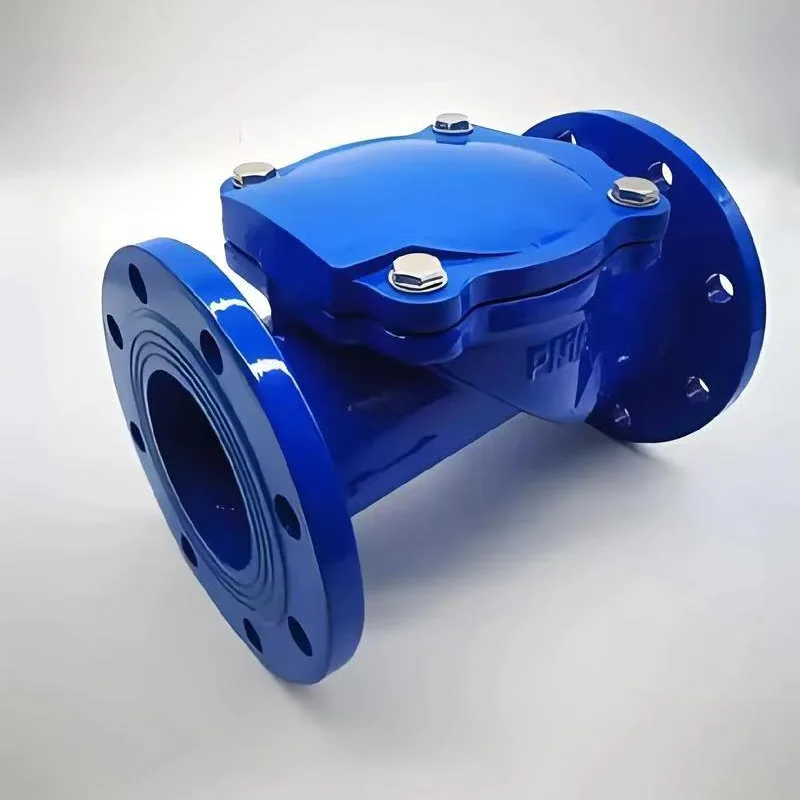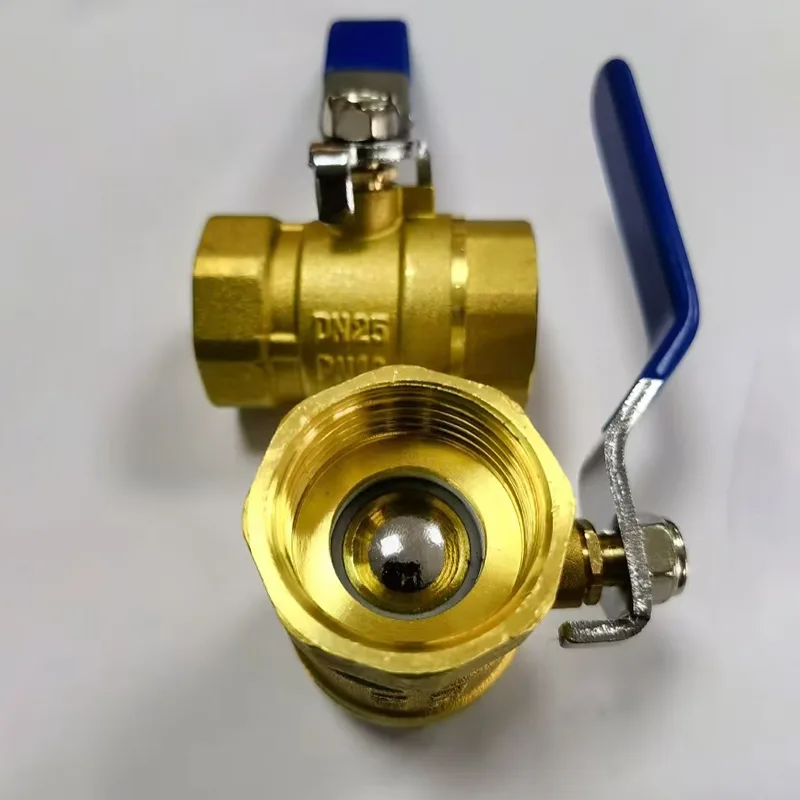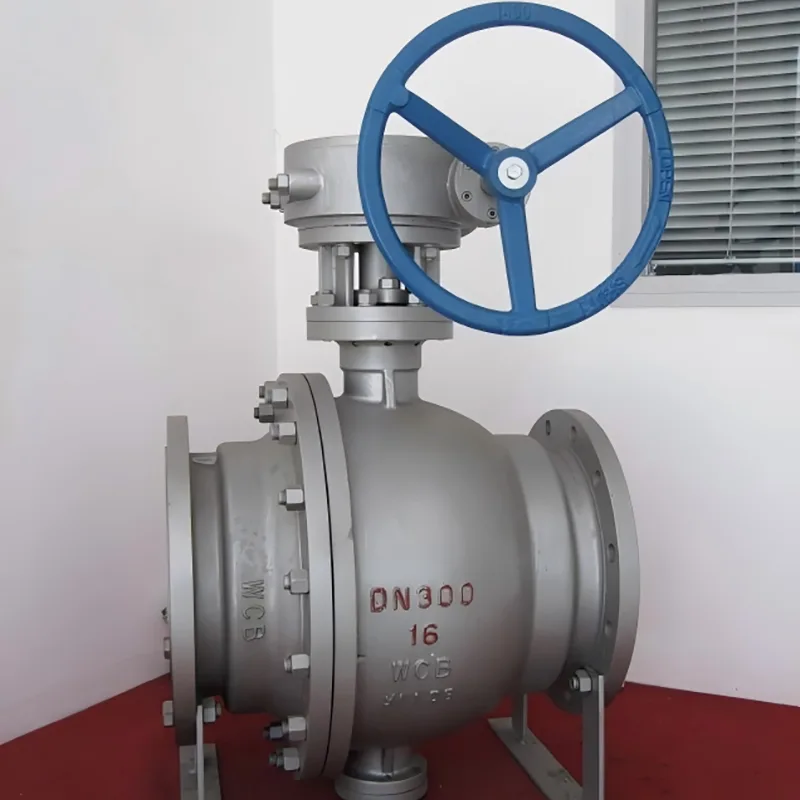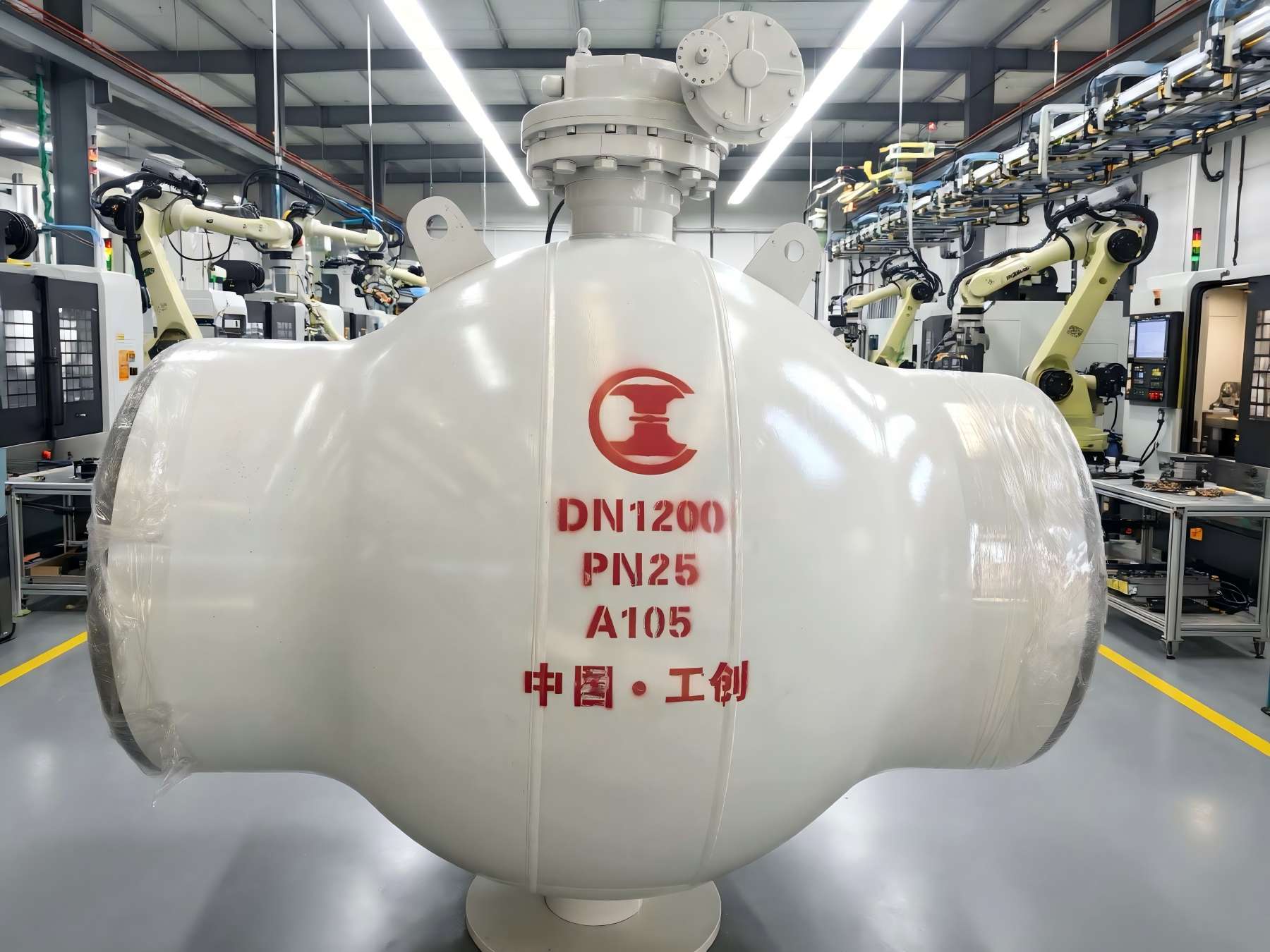
A Cast Iron Threaded Gate Valve is widely used in water supply systems, HVAC pipelines, industrial piping networks, and municipal infrastructure. Its simple structure, excellent sealing performance, and cost-effective design make it a reliable choice for controlling fluid flow. In this comprehensive guide, we explore how cast iron threaded gate valves work, their advantages, applications, installation tips, and maintenance practices. We also analyze why many engineering professionals choose products manufactured by Gongchuang for durability and efficiency.
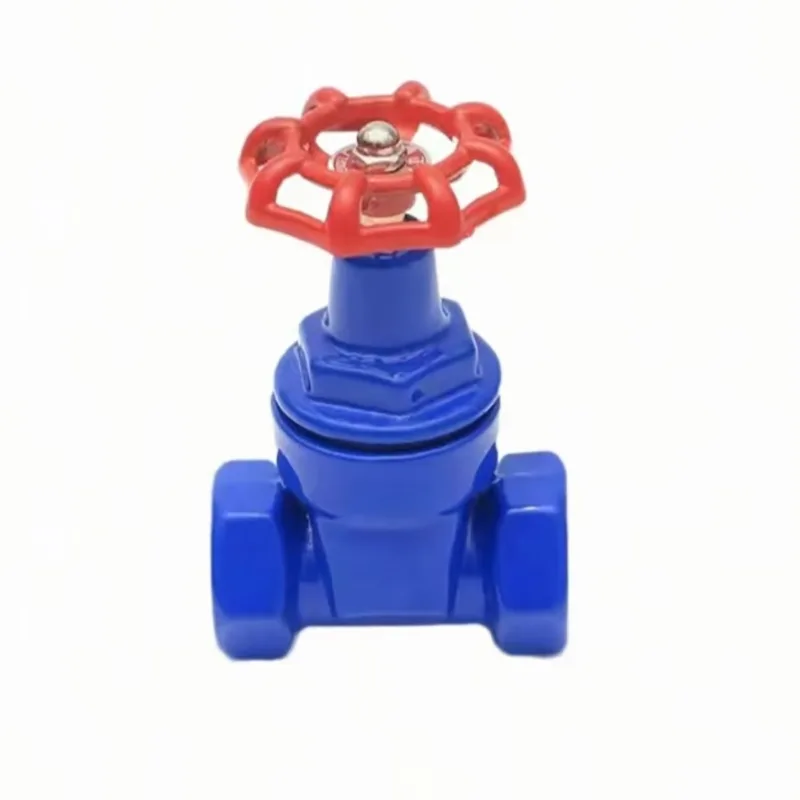
A Cast Iron Threaded Gate Valve is a mechanical valve designed to control the flow of liquids or gases in piping systems. It operates using a gate-shaped disc that moves vertically to either allow or block fluid flow.
The valve body is typically manufactured from high-strength cast iron, making it durable, corrosion-resistant, and capable of handling moderate pressure applications. The threaded connection allows easy installation into pipelines without welding.
Key features include:
Many modern infrastructure projects rely on high-quality valves supplied by trusted manufacturers such as Gongchuang, ensuring consistent performance and compliance with global standards.
The operation principle of a gate valve is straightforward. The valve uses a flat or wedge-shaped gate that moves vertically inside the valve body.
When the handwheel rotates, it moves the valve stem, which raises or lowers the gate.
Because the gate moves completely out of the flow path when open, it produces minimal pressure drop. This makes gate valves ideal for systems where full flow capacity is required.
Understanding the internal structure of a valve helps engineers choose the right product for their applications.
| Component | Function |
|---|---|
| Valve Body | Main structure that houses internal components |
| Gate Disc | Controls the opening and closing of fluid flow |
| Stem | Connects the handwheel to the gate disc |
| Handwheel | Used to manually operate the valve |
| Bonnet | Covers and protects the internal mechanism |
| Seat Ring | Ensures tight sealing when the valve is closed |
Each component is engineered to maintain structural integrity and sealing performance under operational pressure.
Cast iron has been widely used in valve manufacturing for decades due to its mechanical strength and durability.
Some advantages include:
Compared to other materials such as brass or stainless steel, cast iron provides a balance between performance and affordability, making it a preferred material for municipal and industrial applications.
Threaded gate valves provide several practical benefits for engineers and maintenance teams.
Threaded ends allow quick installation without specialized welding equipment.
When fully open, the gate valve provides a straight flow path that minimizes pressure drop.
The tight seal ensures effective isolation of pipeline sections during maintenance.
High-quality cast iron valves can operate for many years with proper maintenance.
Threaded gate valves are generally less expensive than flanged industrial valves.
Cast iron threaded gate valves are widely used in multiple industries.
Because of their durability and straightforward design, these valves are commonly installed in pipelines that require reliable on/off control rather than throttling.
| Valve Type | Main Function | Advantages | Limitations |
|---|---|---|---|
| Gate Valve | On/off control | Low resistance, tight seal | Not suitable for throttling |
| Ball Valve | Quick shutoff | Fast operation | Higher cost |
| Globe Valve | Flow regulation | Precise control | Higher pressure loss |
| Butterfly Valve | Large pipe control | Compact design | Limited sealing capability |
Each valve type has specific advantages depending on the application and system requirements.
Proper installation ensures optimal valve performance and longevity.
Recommended steps:
Avoid overtightening, which may cause structural stress or thread damage.
Although cast iron threaded gate valves are durable, periodic maintenance helps extend their lifespan.
Common maintenance practices include:
Routine inspection prevents unexpected failures and ensures safe system operation.
Selecting a reliable valve manufacturer is critical for industrial projects.
Important factors to consider include:
Professional manufacturers such as Gongchuang focus on precision engineering, strict quality inspection, and international standards compliance to deliver dependable valve solutions.
It is primarily used to start or stop fluid flow in pipelines without significantly affecting pressure when fully open.
Gate valves are not recommended for flow regulation because partial opening can damage the gate and seat.
Most cast iron threaded gate valves operate under medium pressure systems such as PN10 or PN16 depending on design.
With proper maintenance, a high-quality valve can operate reliably for many years in standard industrial conditions.
They are generally used in moderate temperature applications, though specialized models may handle higher temperatures.
The Cast Iron Threaded Gate Valve remains an essential component in industrial piping systems due to its reliability, durability, and cost efficiency. From municipal infrastructure to manufacturing plants, this valve type provides dependable flow isolation with minimal pressure loss.
By selecting a high-quality valve from experienced manufacturers such as Gongchuang, engineers can ensure safe operation, long service life, and efficient pipeline performance.
If you are looking for reliable industrial valve solutions or want to learn more about cast iron threaded gate valves, feel free to contact us for professional support and product consultation.