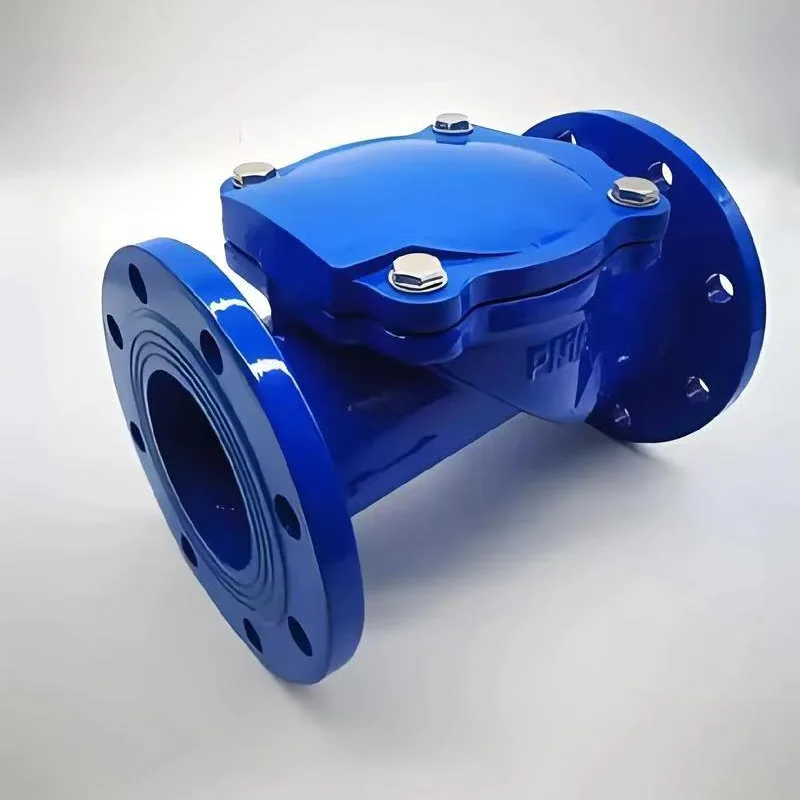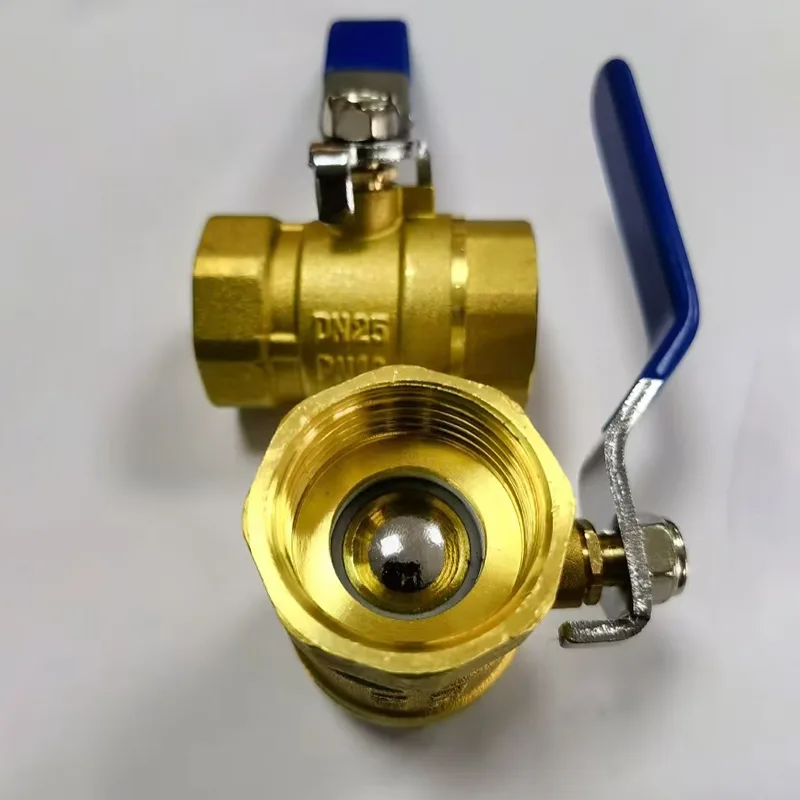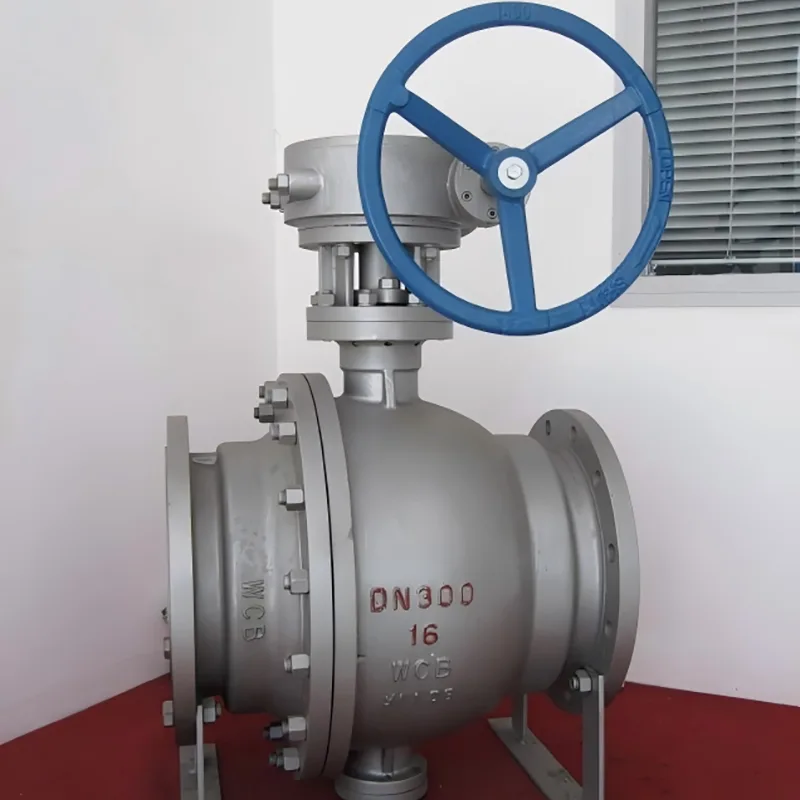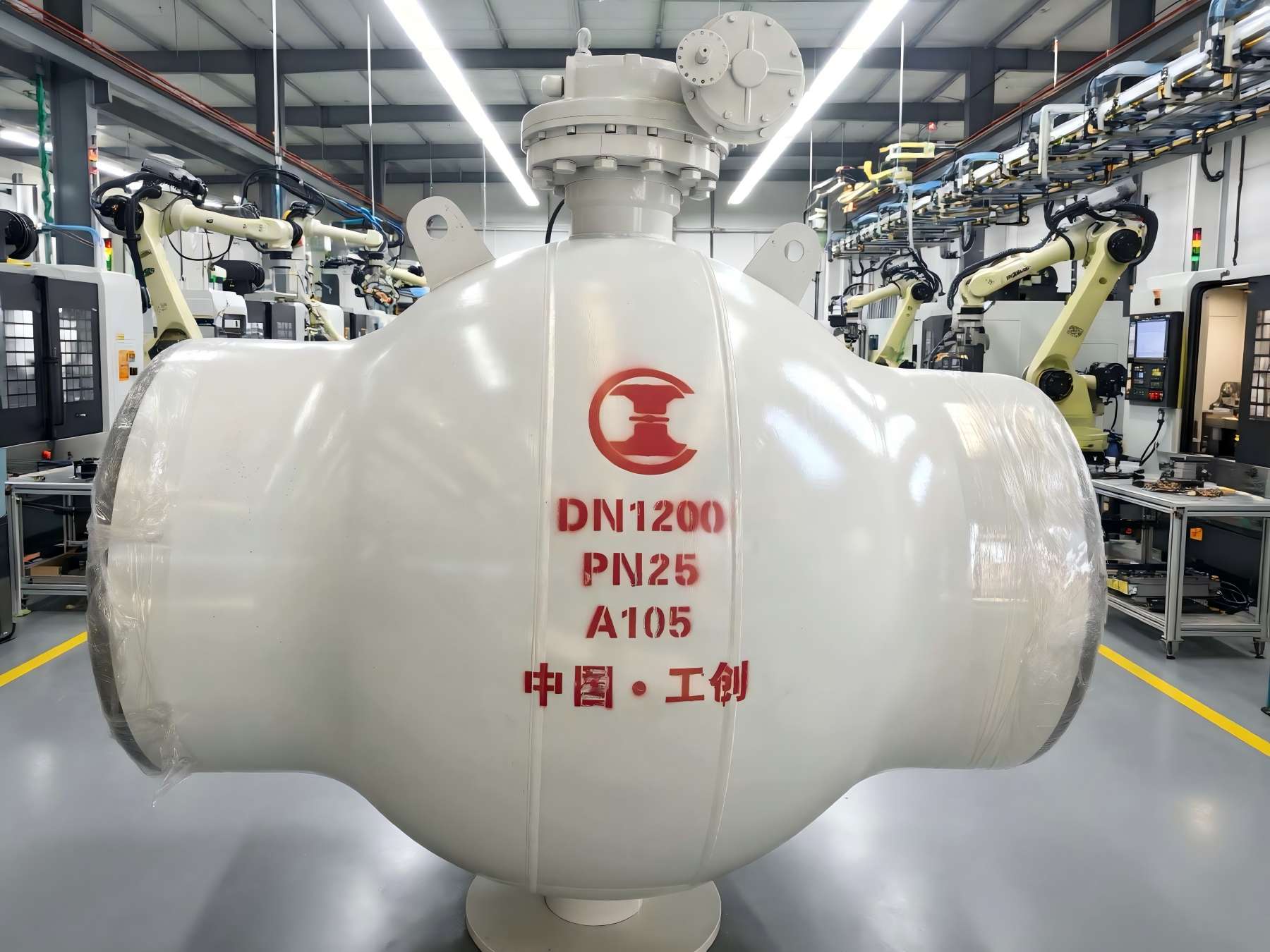
Choosing the right valve for a pipeline system directly impacts operational safety, efficiency, maintenance frequency, and long-term cost control. Among the many valve types available today, the Elastic Seat Sealing Gate has become a preferred solution for water supply systems, wastewater treatment plants, industrial pipelines, fire protection systems, and municipal engineering projects.
This comprehensive guide explains what an elastic seat sealing gate valve is, how it works, its structural advantages, common applications, installation considerations, maintenance methods, material selection, and buying tips. Whether you are an engineer, distributor, contractor, or project manager, this article provides practical insights to help you make informed decisions.
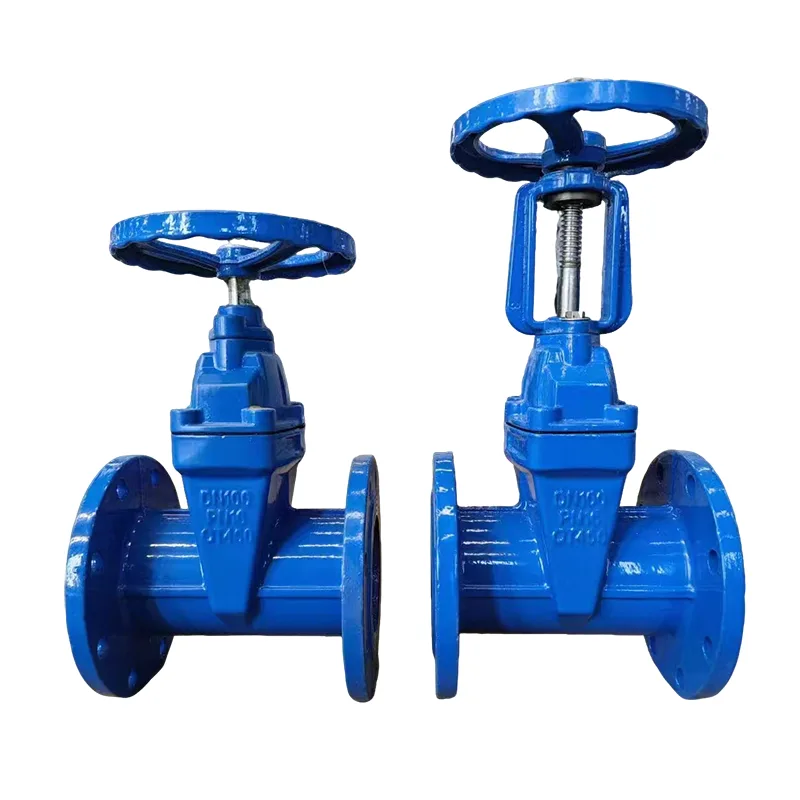
An Elastic Seat Sealing Gate is a resilient seated gate valve designed to provide reliable shut-off performance in fluid control systems. Unlike traditional metal-seated gate valves, this valve uses an elastomer-coated gate to achieve tighter sealing and better resistance against leakage.
The valve is commonly used in water supply systems because it can maintain excellent sealing performance even under varying pressure conditions. The resilient rubber-coated wedge deforms slightly when closed, ensuring full contact with the valve seat and minimizing leakage.
These valves are widely recognized for their durability, corrosion resistance, low torque operation, and reduced maintenance requirements.
The operating mechanism is relatively straightforward. When the handwheel or actuator rotates, the stem moves the gate vertically. As the gate lowers, the rubber-coated wedge compresses against the valve seat, creating a tight seal.
When fully open, the gate moves completely out of the flow path, allowing unrestricted fluid movement and minimal pressure loss.
| Operation Stage | Function |
|---|---|
| Valve Opening | Gate rises upward to allow fluid flow |
| Valve Closing | Rubber-coated wedge compresses against seat |
| Sealing Action | Elastic deformation ensures leak-tight sealing |
| Full Open Position | Minimal flow resistance |
Modern infrastructure projects demand high reliability and low operating costs. Elastic seat sealing gate valves meet these expectations through superior sealing capabilities and long service life.
Municipal water systems particularly favor these valves because they can operate reliably for years with minimal servicing.
Understanding the internal structure helps buyers evaluate product quality and performance.
The main pressure-retaining structure, usually made from ductile iron or cast iron.
Rubber-coated gate that creates resilient sealing performance.
Connects the actuator to the gate and controls vertical movement.
Protects internal components and maintains pressure integrity.
Provides the sealing surface for the resilient wedge.
Epoxy coatings enhance corrosion resistance and extend service life.
Material selection significantly affects valve performance and durability.
| Component | Common Material | Benefits |
|---|---|---|
| Body | Ductile Iron | High strength and durability |
| Wedge Coating | EPDM/NBR Rubber | Excellent elasticity and sealing |
| Stem | Stainless Steel | Corrosion resistance |
| Surface Coating | Fusion Bonded Epoxy | Improved protection against rust |
One of the biggest reasons industries switch to elastic seat sealing gates is the combination of operational reliability and reduced maintenance costs.
The resilient rubber-coated wedge adapts to small irregularities, ensuring tight shutoff even under fluctuating pressure conditions.
Operators can open and close the valve more easily compared to conventional metal-seated valves.
Corrosion-resistant coatings and elastic sealing reduce wear and prolong operational lifespan.
Improved sealing minimizes water loss and prevents contamination in critical systems.
The full-bore design ensures smooth fluid flow with low resistance.
Elastic seat sealing gate valves are used in numerous industries and infrastructure projects.
Their versatility makes them suitable for both clean water and non-aggressive fluid applications.
| Feature | Elastic Seat Sealing Gate | Traditional Metal-Seated Valve |
|---|---|---|
| Sealing Performance | Excellent | Moderate |
| Maintenance Frequency | Low | Higher |
| Corrosion Resistance | Strong | Limited |
| Operational Torque | Lower | Higher |
| Leakage Risk | Very Low | Higher |
Correct installation is essential for long-term reliability and efficient operation.
Improper installation can lead to premature wear, leakage, and operational failures.
Although these valves require less maintenance than conventional valves, periodic inspection remains important.
| Problem | Possible Cause | Solution |
|---|---|---|
| Leakage | Damaged wedge or debris | Clean or replace components |
| Difficult Operation | Stem corrosion | Lubricate or replace stem |
| Rust Formation | Coating damage | Repair protective coating |
Buyers should evaluate several technical factors before purchasing.
Selecting the wrong valve can lead to operational inefficiencies and unnecessary replacement costs.
High-quality elastic seat sealing gate valves often comply with international manufacturing and testing standards.
Compliance with recognized standards ensures consistent product quality and operational reliability.
As infrastructure systems become more intelligent and environmentally conscious, valve technologies continue evolving.
Future designs will focus on sustainability, digital monitoring, and longer maintenance intervals.
The main advantage is its superior sealing performance, which significantly reduces leakage and maintenance requirements.
Yes. Their corrosion-resistant coatings and durable construction make them ideal for underground installations.
They are commonly used for water, wastewater, and non-aggressive industrial fluids.
With proper installation and maintenance, high-quality valves can operate reliably for decades.
Yes, provided the valve pressure rating matches the system requirements.
The Elastic Seat Sealing Gate has become an essential component in modern fluid control systems because of its excellent sealing capability, operational reliability, corrosion resistance, and long service life. Whether used in municipal water distribution, industrial processing, or infrastructure projects, these valves help reduce operational risks while improving efficiency.
Investing in high-quality valves from trusted manufacturers ensures long-term performance and lower maintenance costs. Careful material selection, proper installation, and routine inspection are all critical to maximizing valve lifespan.
Hebei Gongchuang Fluid Equipment Co., Ltd. specializes in high-quality industrial valve solutions designed for durability, performance, and long-term reliability.
Whether you need technical support, product recommendations, or customized solutions for your pipeline systems, our experienced team is ready to help.
Contact us today to discuss your project requirements and discover the right valve solution for your business.