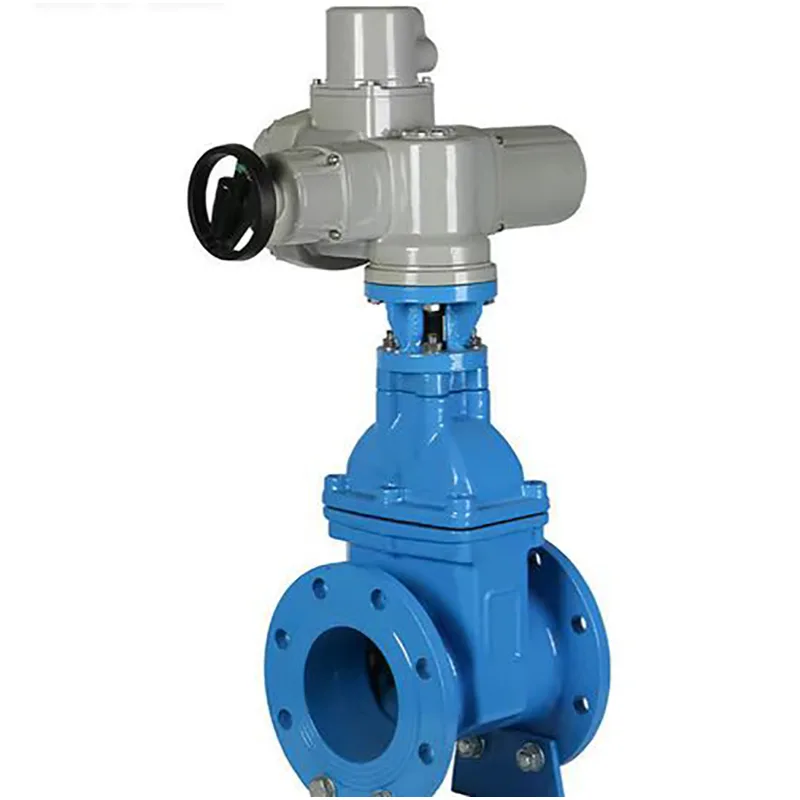
Electric gate valves are critical flow control devices widely used in water treatment, oil and gas, chemical processing, and industrial automation systems. This article explores their working principles, structure, advantages, applications, installation methods, maintenance strategies, and selection criteria. It aims to help engineers, procurement managers, and system designers understand how electric gate valves improve efficiency, safety, and automation in modern pipeline systems.
1. Introduction to Electric Gate Valve
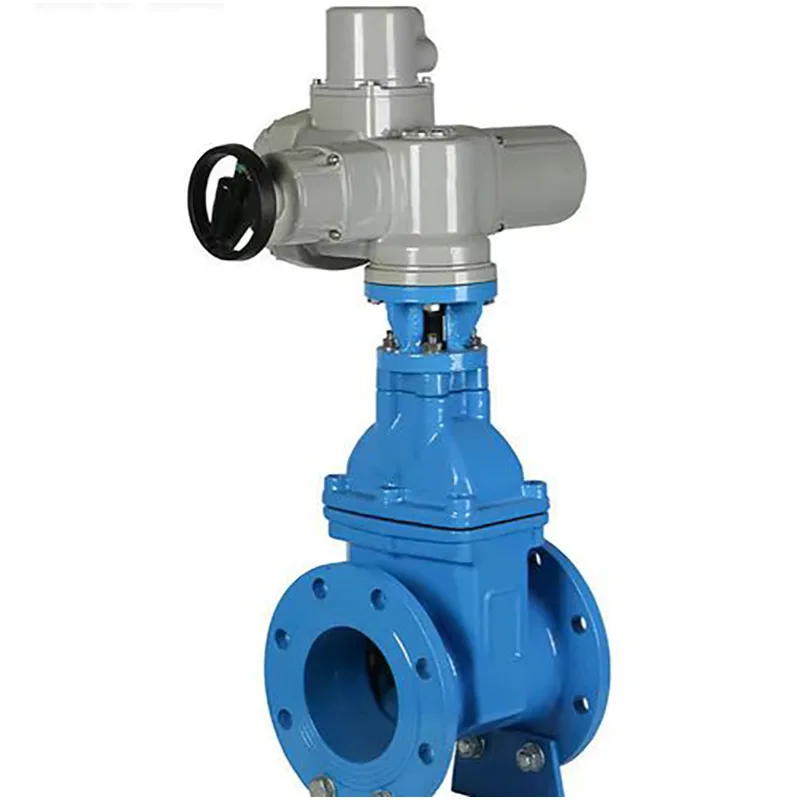
An electric gate valve is a motor-driven flow control device designed to fully open or fully close fluid passage in a pipeline system. Unlike manual valves that require hand operation, electric gate valves use an electric actuator to control the movement of the gate, enabling automation and remote operation.
These valves are widely used in industries where precise flow control, safety, and efficiency are critical. They are especially valuable in systems that require frequent operation or are installed in hard-to-reach areas.
With increasing industrial automation, electric gate valves have become essential components in modern fluid control systems, offering improved accuracy and reduced labor requirements.
2. How Electric Gate Valve Works
The working principle of an electric gate valve is relatively straightforward but highly efficient. The valve uses an electric actuator that converts electrical energy into mechanical motion.
-
When the motor is activated, it drives a threaded stem.
-
The stem raises or lowers the gate (wedge or disc).
-
When the gate is lifted, fluid flows freely through the pipeline.
-
When the gate is lowered, it blocks the flow completely.
This on/off mechanism makes the valve ideal for isolation purposes rather than throttling applications.
Electric control allows integration with PLC systems, SCADA systems, and remote monitoring platforms, making it a core component of smart industrial automation.
3. Key Components and Structure
An electric gate valve consists of several key components that work together to ensure reliable operation:
-
Valve Body: The main housing that contains fluid pressure.
-
Gate (Wedge/Disc): The blocking element that controls flow.
-
Stem: Connects actuator to the gate for movement.
-
Electric Actuator: Converts electrical energy into mechanical motion.
-
Seals: Prevent leakage between internal components.
-
Bonnet: Covers and protects internal parts.
Each component plays a crucial role in ensuring durability, leak-proof performance, and smooth operation under high pressure and temperature conditions.
4. Types of Electric Gate Valves
Electric gate valves come in different designs based on industrial requirements:
-
Rising Stem Electric Gate Valve: The stem moves upward when opening, allowing visual position indication.
-
Non-Rising Stem Electric Gate Valve: Suitable for compact spaces where vertical movement is restricted.
-
Wedge Gate Valve: Uses a wedge-shaped gate for tight sealing.
-
Parallel Slide Gate Valve: Uses parallel discs for low-pressure applications.
Each type is designed for specific pressure ratings, fluid types, and installation environments.
5. Advantages in Industrial Applications
Electric gate valves offer several significant advantages compared to manual or pneumatic alternatives:
-
Remote and automated operation
-
Reduced labor costs
-
High sealing performance
-
Suitable for hazardous environments
-
Integration with smart control systems
-
Improved operational safety
These advantages make them highly suitable for modern industries focusing on automation and energy efficiency.
6. Applications Across Industries
Electric gate valves are used in a wide range of industries, including:
-
Water treatment plants
-
Oil and gas pipelines
-
Power generation facilities
-
Chemical processing plants
-
Food and beverage industries
-
HVAC systems
Their ability to handle high-pressure fluids and corrosive media makes them indispensable in critical infrastructure systems.
7. How to Choose the Right Electric Gate Valve
Selecting the right valve is essential for system performance and safety. Key factors include:
-
Pressure Rating: Ensure compatibility with system pressure.
-
Temperature Range: Match material with operating conditions.
-
Fluid Type: Consider corrosive or viscous media.
-
Actuator Power: Ensure sufficient torque output.
-
Size and Connection Type: Match pipeline specifications.
Proper selection ensures long service life and reduced maintenance costs.
8. Installation Guidelines
Correct installation is crucial for optimal performance:
-
Ensure pipeline is clean before installation.
-
Align valve properly to avoid mechanical stress.
-
Secure electrical connections safely.
-
Test actuator functionality before full operation.
-
Follow manufacturer torque specifications.
Improper installation can lead to leakage, reduced efficiency, or premature failure.
9. Maintenance and Troubleshooting
Regular maintenance ensures long-term reliability:
-
Inspect seals for wear and leakage
-
Check actuator motor performance
-
Lubricate moving parts periodically
-
Test open/close cycles regularly
-
Clean valve interior during shutdown periods
Common issues include actuator failure, stem jamming, and electrical connection faults. Early detection can significantly reduce downtime.
10. Comparison Table
|
Feature
|
Electric Gate Valve
|
Manual Gate Valve
|
Pneumatic Gate Valve
|
|
Operation
|
Automated
|
Manual
|
Air-driven
|
|
Efficiency
|
High
|
Low
|
Medium
|
|
Cost
|
Higher initial cost
|
Low
|
Medium
|
|
Maintenance
|
Moderate
|
Low
|
High
|
|
Remote Control
|
Yes
|
No
|
Yes
|
11. Frequently Asked Questions
Q1: What is the main purpose of an electric gate valve?
It is used to fully open or close fluid flow in a pipeline system through electric automation.
Q2: Can electric gate valves regulate flow?
They are primarily designed for on/off control, not precise flow regulation.
Q3: Are electric gate valves suitable for high-pressure systems?
Yes, many models are designed for high-pressure and high-temperature environments.
Q4: How long do electric gate valves last?
With proper maintenance, they can last many years in industrial applications.
Q5: What industries use electric gate valves most?
They are widely used in oil and gas, water treatment, chemical processing, and power plants.
12. Conclusion
Electric gate valves play a crucial role in modern industrial fluid control systems. Their automation capability, reliability, and integration with smart systems make them essential for efficient pipeline management. As industries continue to adopt digital control technologies, the demand for high-performance electric gate valves continues to grow.
Choosing the right valve, ensuring proper installation, and maintaining it regularly are key factors in maximizing system efficiency and safety.
For high-quality industrial valve solutions and professional support, Hebei Gongchuang Fluid Equipment Co., Ltd. provides reliable products designed for various demanding applications.
If you are looking for durable and efficient electric gate valve solutions, feel free to reach out to Hebei Gongchuang Fluid Equipment Co., Ltd. Our team is ready to provide technical support, product customization, and professional consultation to meet your project needs. Contact us.