A Cast Steel Gate Valve is one of the most widely used isolation valves in industrial piping systems. Known for its durability, pressure resistance, and excellent sealing capability, it is commonly applied in oil and gas, power generation, petrochemical processing, water treatment, and manufacturing industries. This guide explains how cast steel gate valves work, their advantages, key components, material selection criteria, installation requirements, maintenance practices, common problems, and purchasing considerations. Whether you are an engineer, procurement manager, plant operator, or maintenance technician, this article will help you make informed decisions and maximize system reliability.
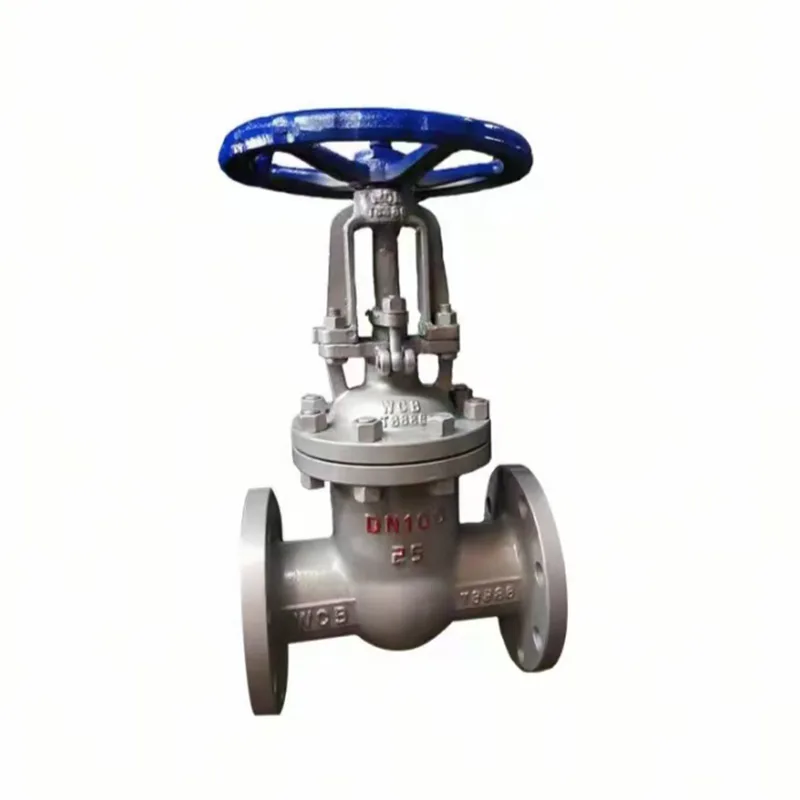
A Cast Steel Gate Valve is a linear-motion valve designed primarily for starting or stopping fluid flow. Unlike throttling valves, gate valves operate by raising or lowering a gate-shaped disc within the valve body. When fully opened, the gate is completely removed from the flow path, resulting in minimal pressure loss.
The valve body is manufactured through casting processes using carbon steel, alloy steel, or stainless steel materials. This construction provides exceptional strength and allows the valve to withstand high-pressure and high-temperature operating conditions.
Industries often prefer cast steel gate valves because they combine mechanical strength, reliable shutoff performance, and long service life in demanding environments.
The operating principle is straightforward yet highly effective.
Because the gate moves completely out of the flow path when open, turbulence is minimized and pressure drop remains extremely low.
Gate valves provide tight shutoff capabilities, helping prevent leakage even in critical industrial processes.
The unobstructed flow path significantly reduces energy losses within piping systems.
Cast steel construction enables operation under challenging pressure conditions commonly found in industrial facilities.
Properly maintained cast steel gate valves can remain operational for decades.
These valves perform reliably in both low-temperature and high-temperature environments.
They can be integrated with pneumatic, electric, or hydraulic actuators for automated process control.
| Component | Function |
|---|---|
| Valve Body | Contains pressure and fluid flow |
| Gate Disc | Blocks or allows flow |
| Stem | Transfers motion from actuator |
| Bonnet | Protects internal components |
| Seat Rings | Provide sealing surfaces |
| Packing | Prevents stem leakage |
| Handwheel/Actuator | Operates valve movement |
Material selection depends on pressure, temperature, fluid composition, and corrosion exposure.
| Material | Typical Application | Advantage |
|---|---|---|
| WCB Carbon Steel | General industrial service | Cost-effective |
| WC6 Alloy Steel | High-temperature systems | Heat resistance |
| CF8 Stainless Steel | Corrosive fluids | Corrosion resistance |
| CF8M Stainless Steel | Chemical processing | Superior chemical resistance |
Common manufacturing standards include API, ASME, ANSI, BS, DIN, and ISO specifications.
Cast steel gate valves are found in nearly every major industrial sector.
Their ability to provide reliable isolation makes them indispensable wherever process safety and operational continuity are critical.
Selecting an appropriate valve requires evaluating multiple technical parameters.
| Selection Factor | Why It Matters |
|---|---|
| Fluid Type | Determines material compatibility |
| Operating Pressure | Determines pressure class |
| Temperature | Impacts material selection |
| Valve Size | Affects flow capacity |
| End Connection | Ensures pipeline compatibility |
| Automation Requirement | Determines actuator type |
Ignoring these factors can lead to premature valve failure, leakage, maintenance issues, and costly downtime.
| Feature | Gate Valve | Globe Valve | Ball Valve |
|---|---|---|---|
| Shutoff Capability | Excellent | Excellent | Excellent |
| Flow Resistance | Very Low | High | Low |
| Throttling Service | Not Recommended | Excellent | Limited |
| Large Diameter Systems | Excellent | Moderate | Good |
Proper installation directly impacts valve lifespan and performance.
Routine maintenance helps ensure long-term reliability.
| Problem | Possible Cause | Solution |
|---|---|---|
| Seat Leakage | Worn sealing surfaces | Repair or replace seats |
| Stem Leakage | Packing deterioration | Replace packing |
| Difficult Operation | Corrosion or debris | Clean and lubricate |
| Body Corrosion | Aggressive environment | Upgrade material |
Industrial valve technology continues evolving alongside automation and digitalization initiatives.
Future cast steel gate valves will likely combine mechanical reliability with real-time condition monitoring, improving operational efficiency and reducing maintenance costs.
Q1: What is the primary purpose of a cast steel gate valve?
A: Its primary purpose is to provide reliable on-off flow isolation with minimal pressure loss.
Q2: Can a cast steel gate valve be used for throttling?
A: No. Gate valves are generally designed for fully open or fully closed positions.
Q3: What industries commonly use cast steel gate valves?
A: Oil and gas, petrochemical, power generation, water treatment, chemical processing, and manufacturing industries.
Q4: How long does a cast steel gate valve typically last?
A: With proper maintenance, many valves remain operational for 20 years or longer.
Q5: What is the difference between cast steel and forged steel gate valves?
A: Cast steel valves are generally preferred for larger sizes, while forged steel valves are often selected for smaller sizes and extremely high-pressure applications.
Q6: How often should inspections be performed?
A: Visual inspections should occur regularly, while comprehensive maintenance schedules depend on service conditions.
A Cast Steel Gate Valve remains one of the most dependable solutions for industrial isolation applications. Its robust construction, excellent sealing performance, low flow resistance, and adaptability to harsh operating conditions make it a preferred choice across numerous industries. Understanding valve design, material options, installation requirements, and maintenance procedures helps organizations maximize operational efficiency while minimizing downtime and ownership costs.
As industrial systems become increasingly complex, selecting a trusted manufacturer becomes just as important as selecting the right valve specification.
Hebei Gongchuang Fluid Equipment Co., Ltd. specializes in reliable industrial valve solutions designed for demanding applications. Whether you need standard products or customized valve configurations, our experienced team is ready to help you improve system safety, efficiency, and long-term performance. Contact Us Today for Expert Technical Support and Competitive Solutions.