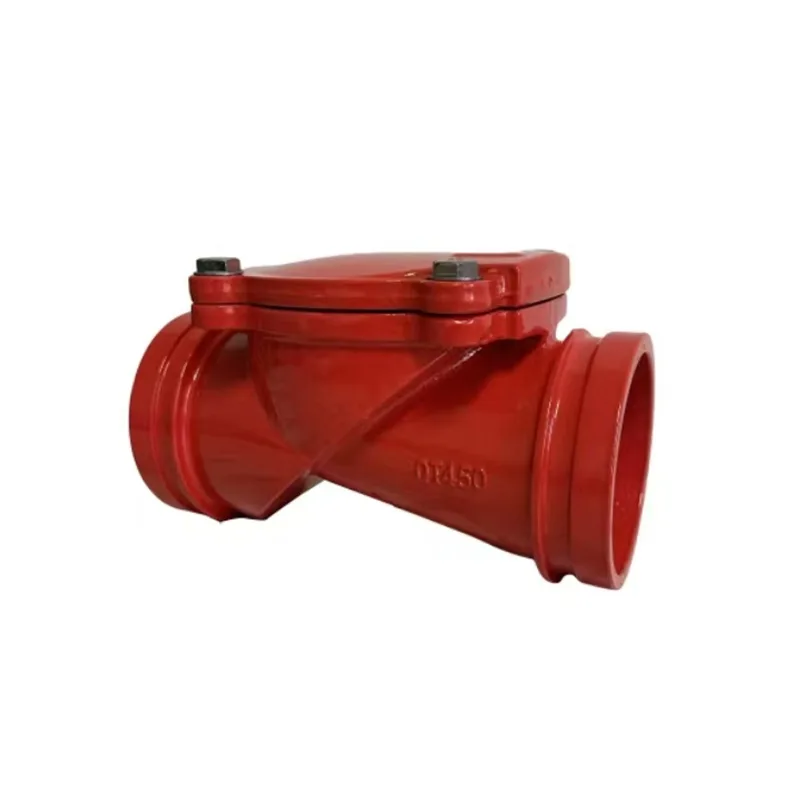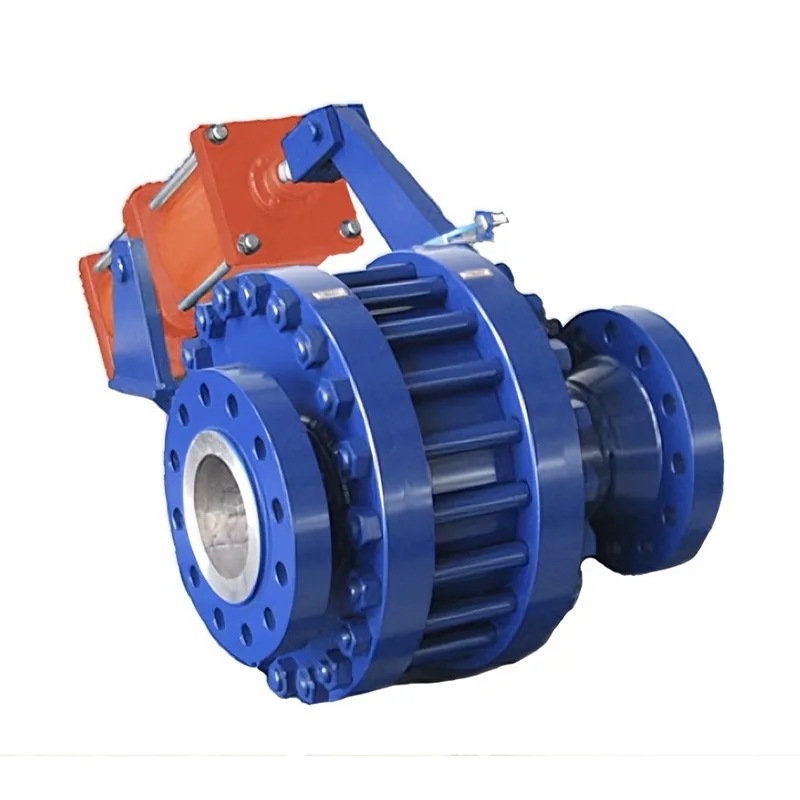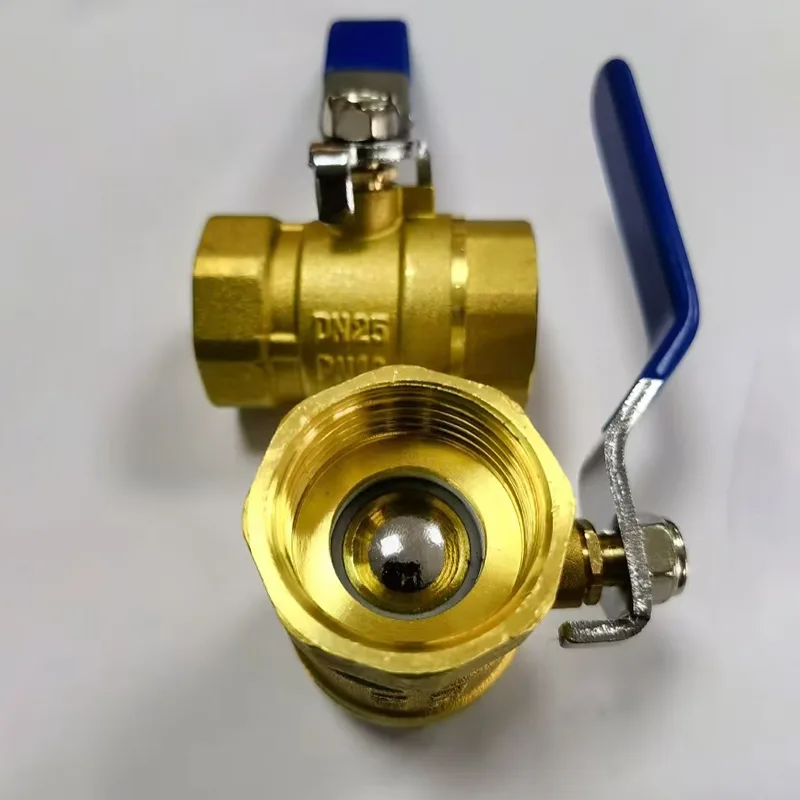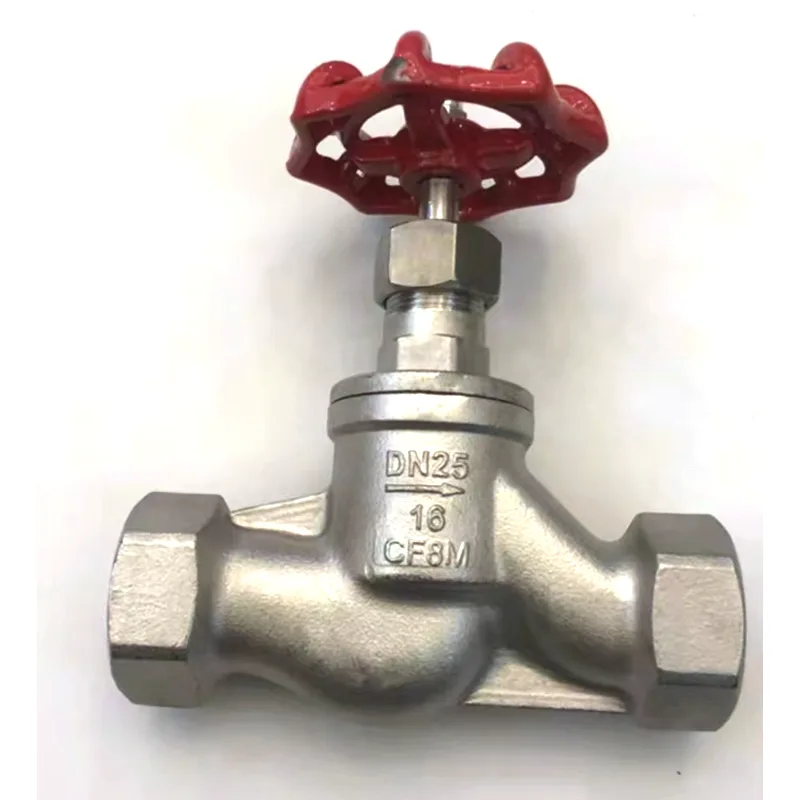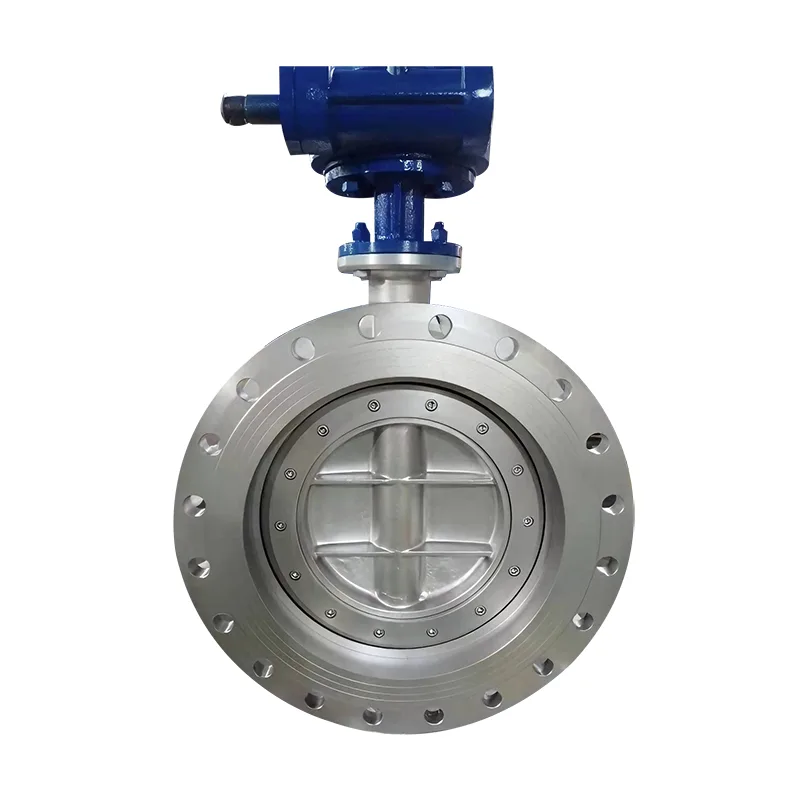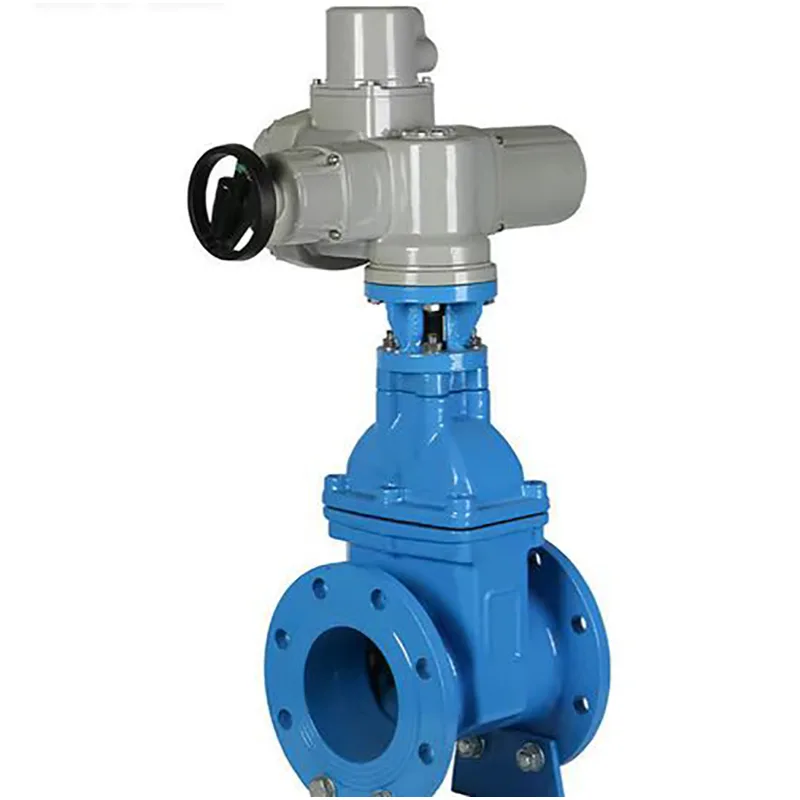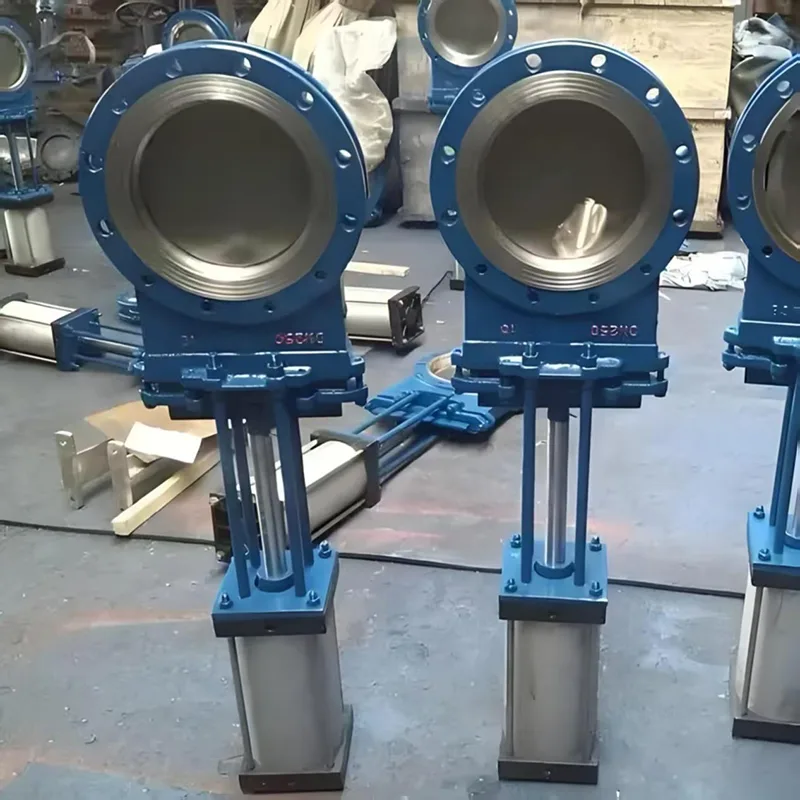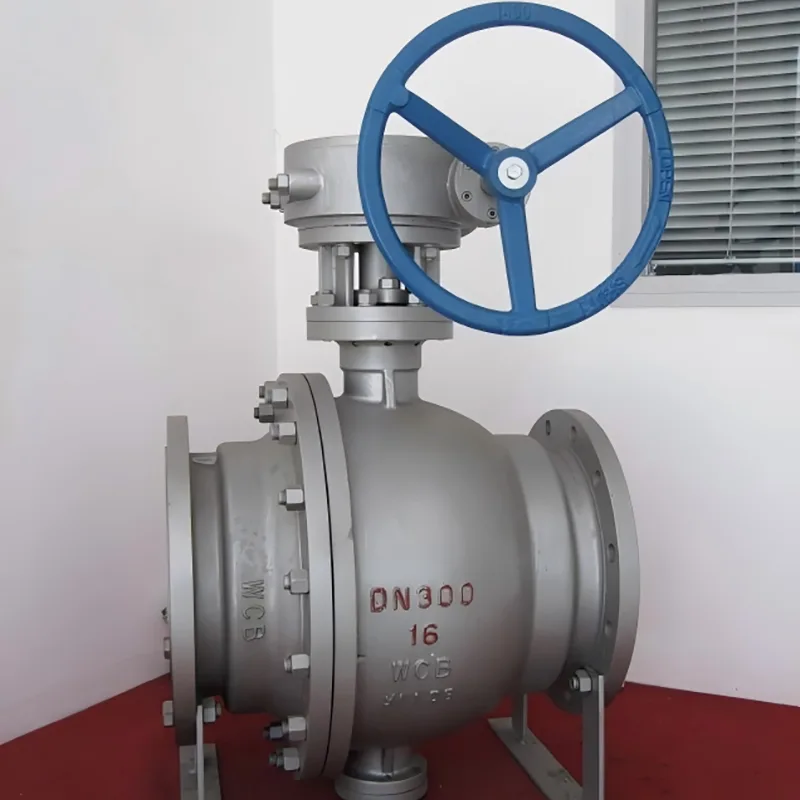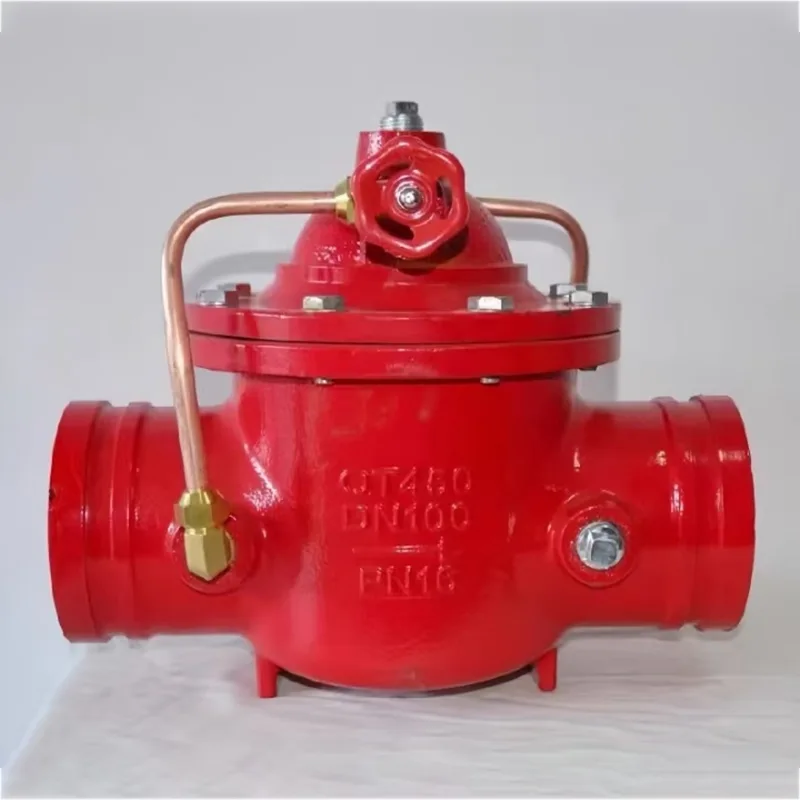
For applications demanding robust, leak-proof isolation in demanding industrial settings, the casting ball valve stands as a premier choice. Engineered for durability and long-term reliability, these valves are constructed from high-quality cast materials like ductile iron, carbon steel, or stainless steel, offering exceptional strength and resistance to corrosion. The core mechanism features a precision-machined spherical ball with a through-hole, which rotates a quarter-turn (90 degrees) to open or close the flow, providing quick and positive shut-off. This design minimizes pressure drop and ensures smooth operation even after prolonged periods of inactivity. Their versatility makes them suitable for a wide range of media including water, oil, gas, steam, and various chemicals. Our comprehensive valve portfolio includes specialized solutions to meet diverse needs. For securing hoses and temporary lines, our Wire Buckle Ball Valve offers a secure and convenient connection. When superior corrosion resistance is paramount, our Stainless Steel Ball Valve is the ideal selection for aggressive environments. For standard piping systems requiring threaded connections, we supply reliable Threaded Ball Valve options in various sizes. Furthermore, for systems operating under extreme conditions, our engineered High Pressure Ball Valve is built to withstand significant pressure ratings without compromising performance.
The inherent strength of a Casting Ball Valve comes from its manufacturing process, where molten metal is poured into a mold to create a single, solid body. This monolithic construction eliminates potential weak points found in assembled valves, ensuring integrity under thermal stress and pressure cycling. Key internal components, such as the ball and stem, are often made from stainless steel or other hardened alloys, providing a smooth, low-friction surface for the PTFE (Teflon) or reinforced polymeric seats. This combination results in excellent sealing capabilities, low operating torque, and extended service life with minimal maintenance. The valve body is typically designed with full or reduced port configurations, allowing users to select between maximum flow capacity or a more compact valve profile. Furthermore, various end connection types—including flanged, threaded, and weld ends—provide flexibility for integration into existing piping systems. Operators benefit from a clear visual indication of the valve position (open or closed) through the handle alignment, enhancing safety and operational efficiency. For automated processes, these valves can be easily adapted with pneumatic or electric actuators, enabling remote control and integration into sophisticated industrial control systems.
| Parameter | Specification / Material Option | Notes |
|---|---|---|
| Body Material |
|
Selected for pressure rating and corrosion resistance. |
| Ball & Stem Material |
|
Hardened for wear resistance and smooth operation. |
| Seat Seals |
|
Provides tight sealing and chemical compatibility. |
| Pressure Rating (PN) | PN16, PN25, PN40, PN64 | Conforms to international standards like DIN, ANSI. |
| Temperature Range | -20°C to +200°C (standard seats) Up to +300°C (with special seats) |
Dependent on seat material selection. |
| Port Type | Full Port (Full Bore), Reduced Port (Reduced Bore) | Full port offers minimal pressure drop. |
| End Connections |
|
Available in standard sizes from 1/2" to 12". |
| Operation | Lever Handle, Gear Operator, Pneumatic/Electric Actuator | Manual or automated actuation available. |
| Standards & Certifications | ISO 9001, API 6D, CE/PED, Fire Safe (API 607/6FA) | Ensures quality and compliance for specific industries. |
Key Features & Advantages: