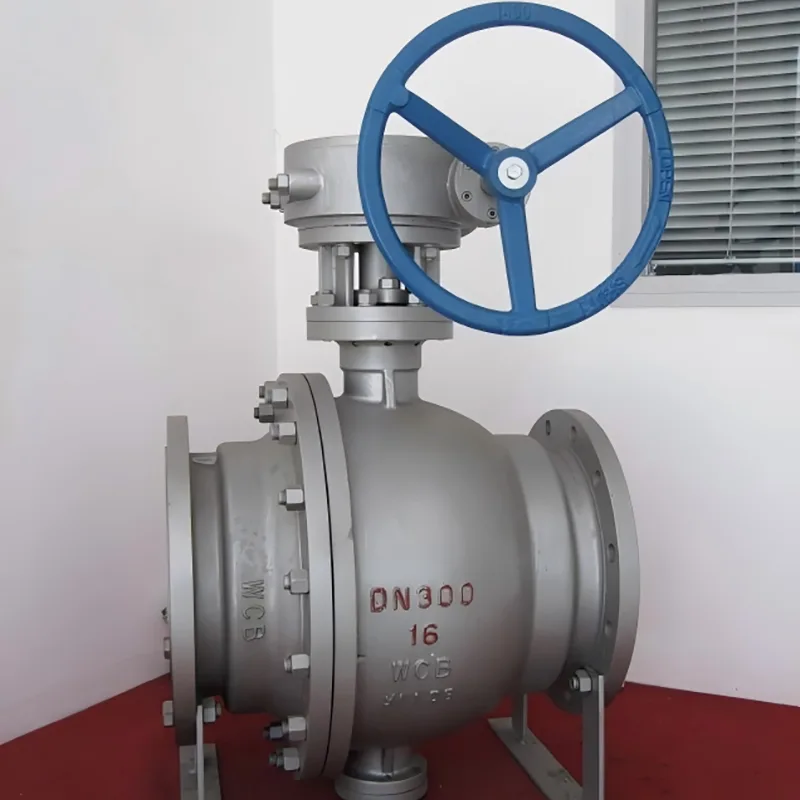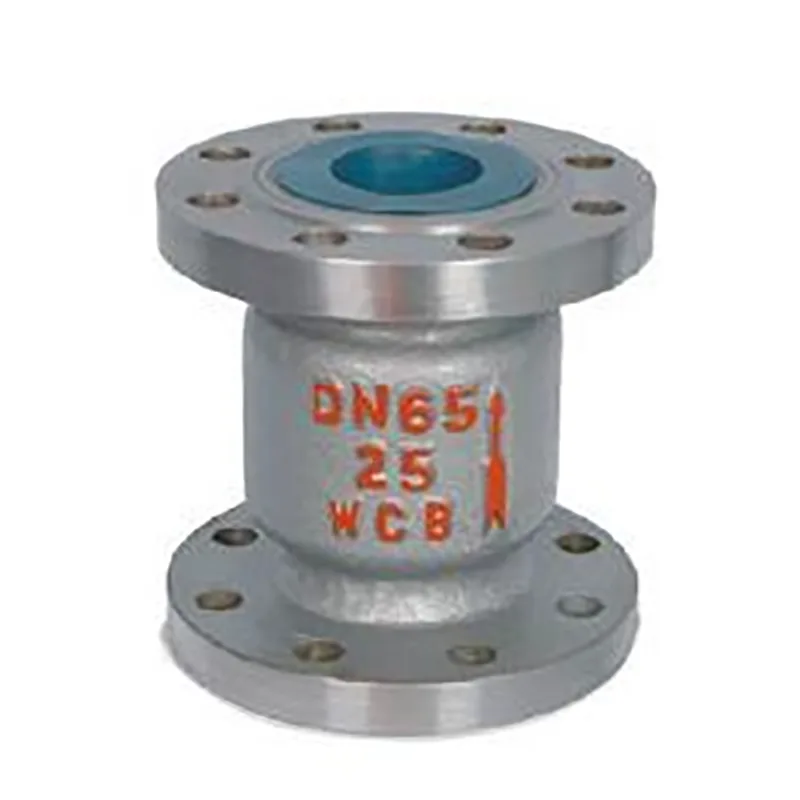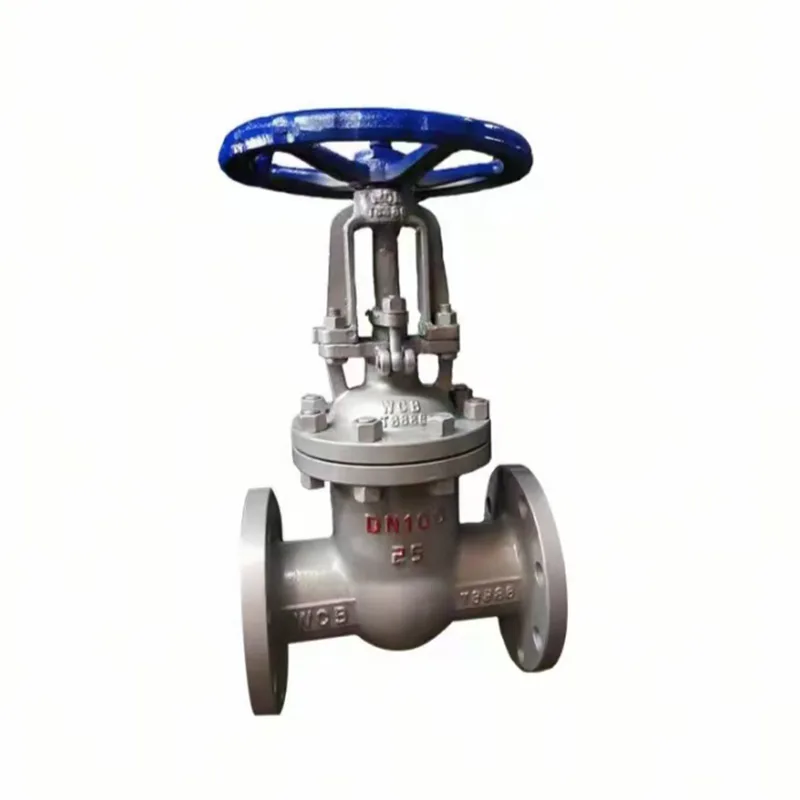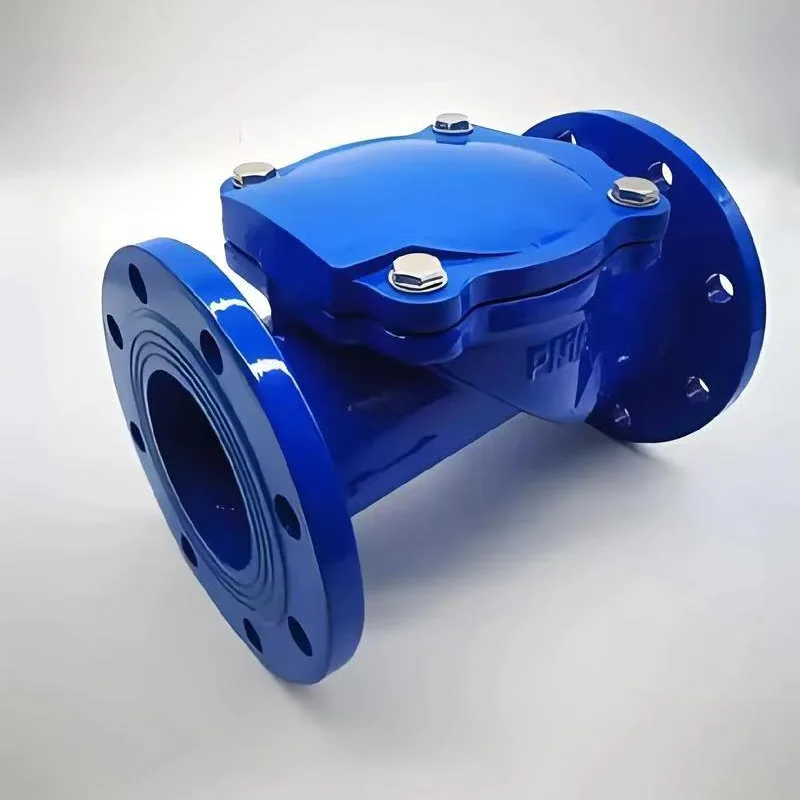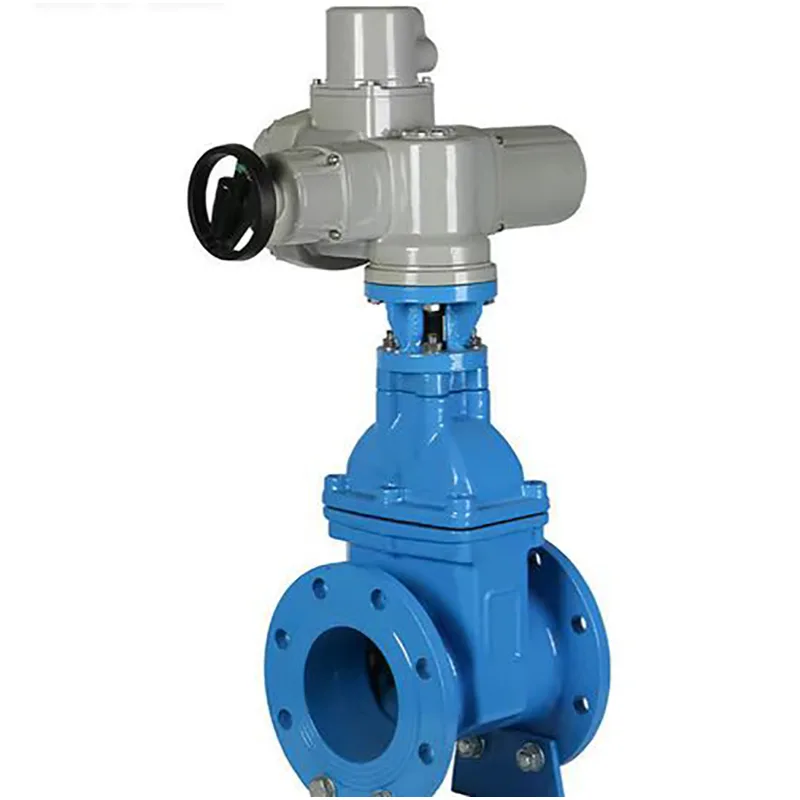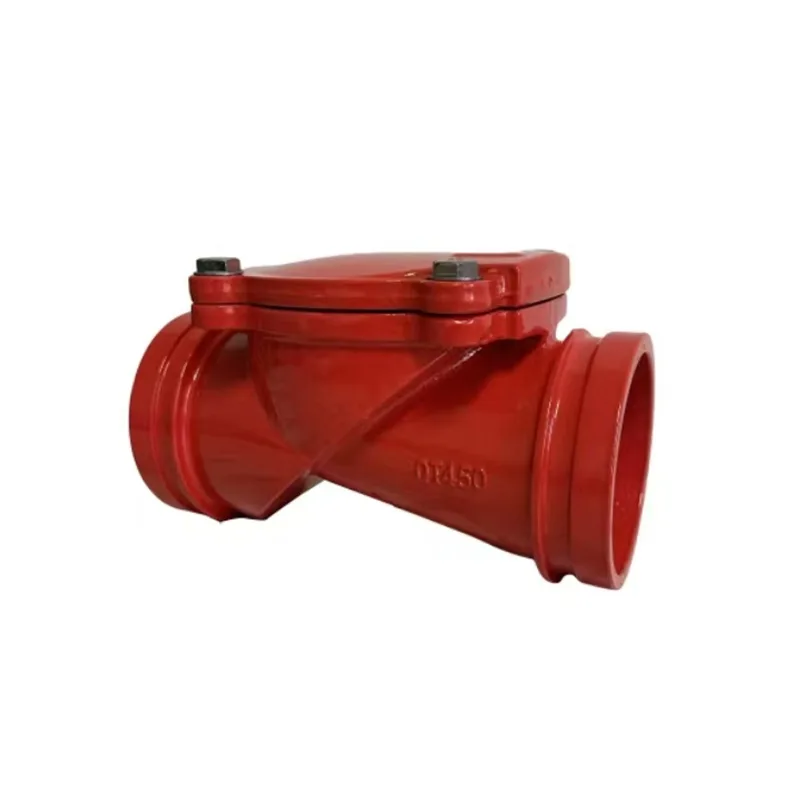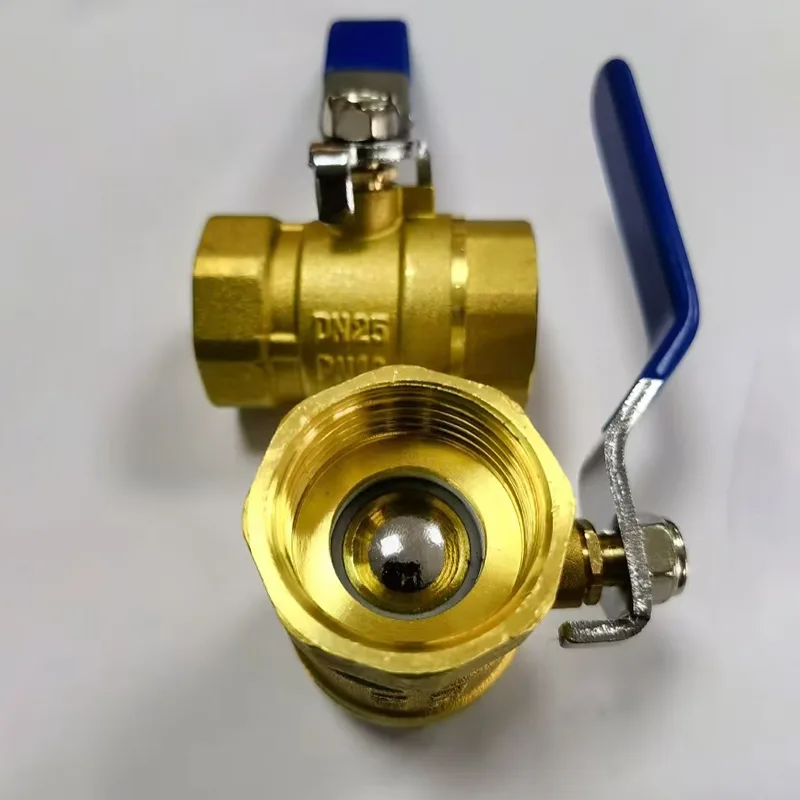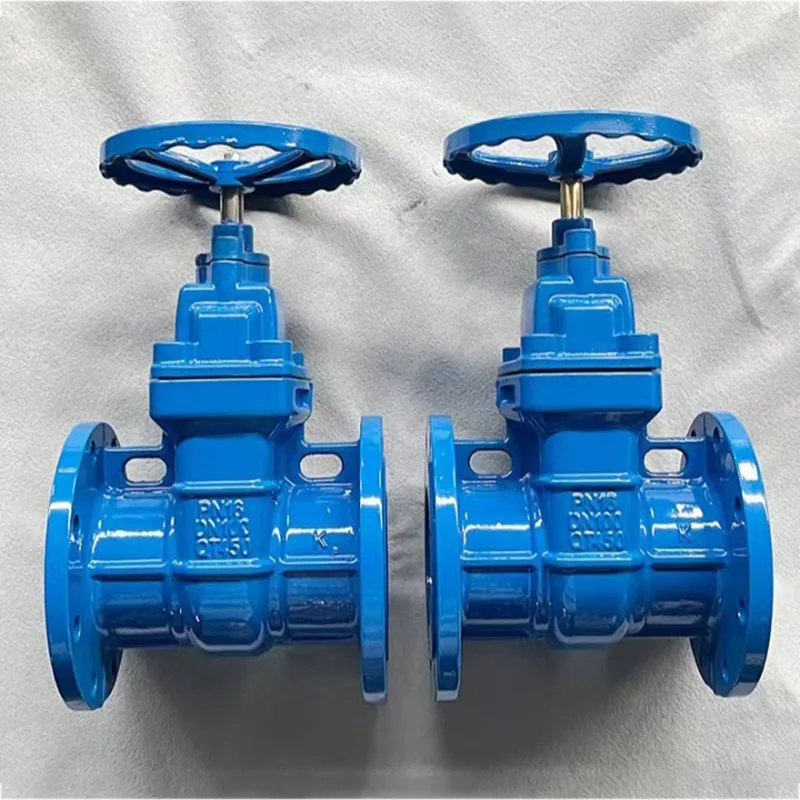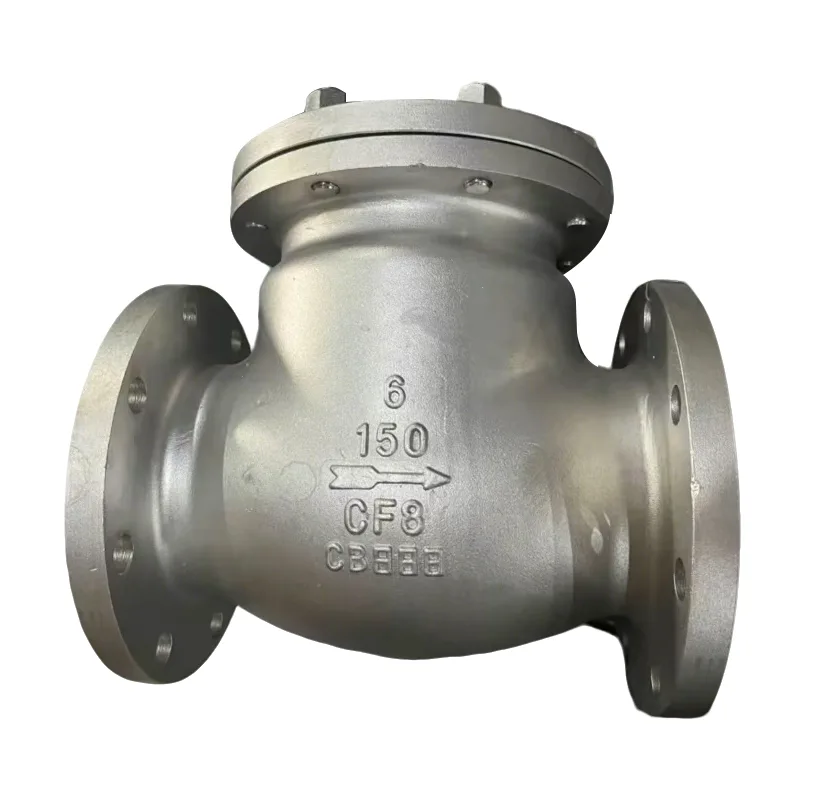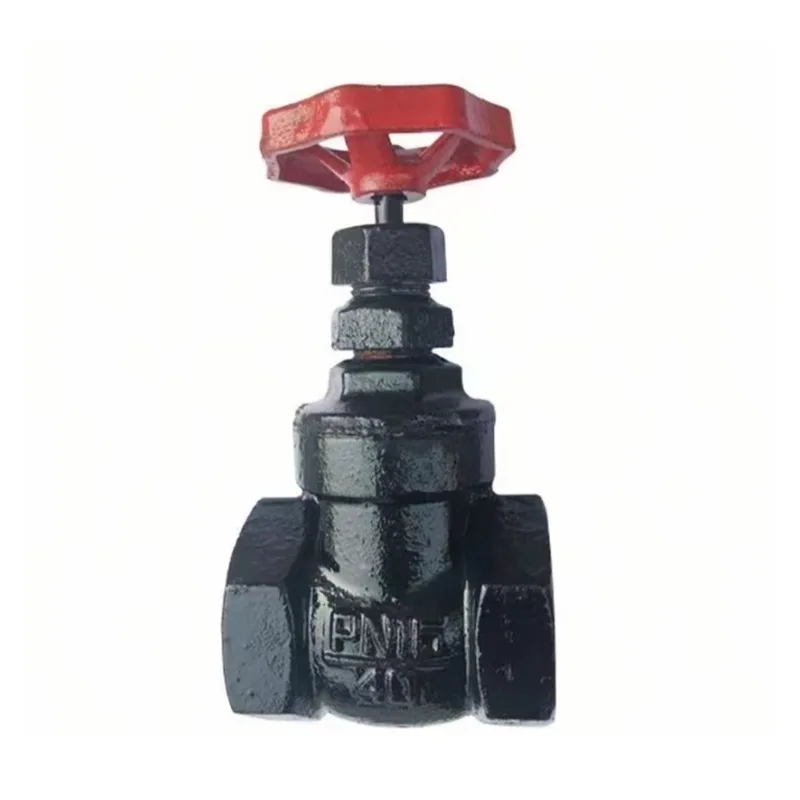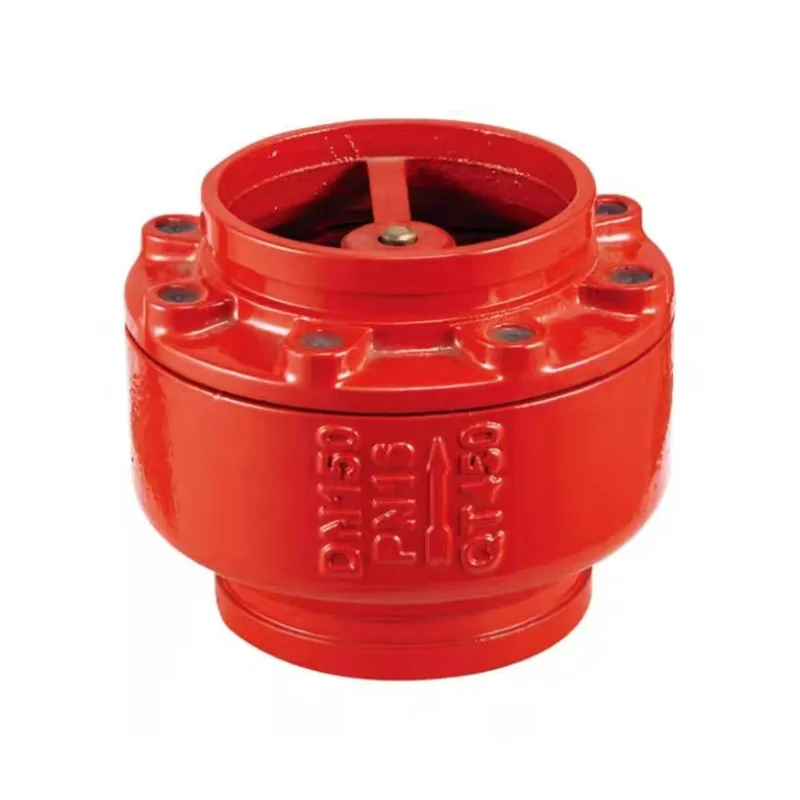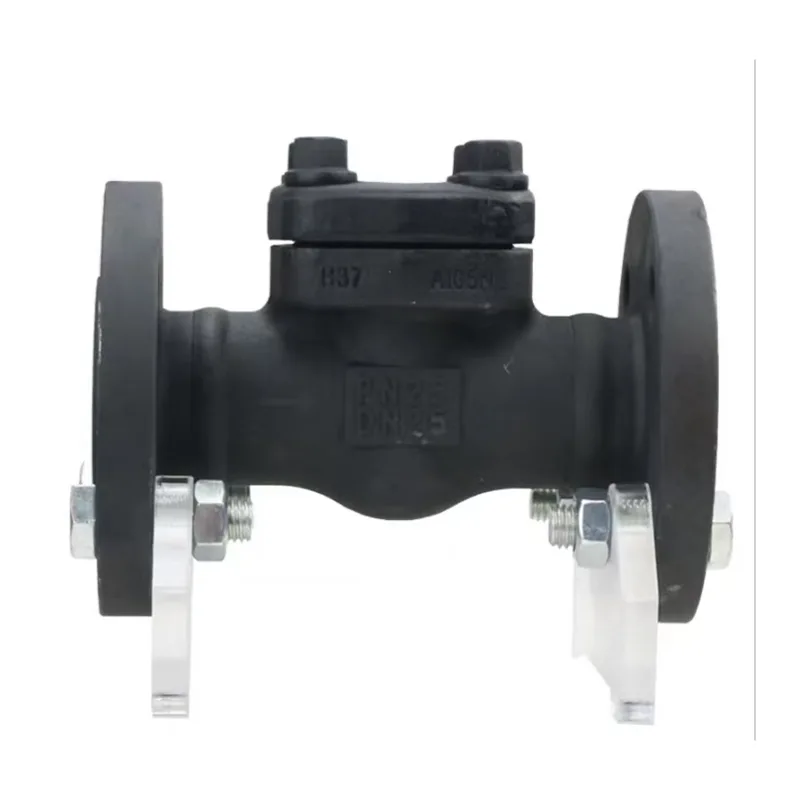
When selecting a valve for demanding industrial applications that require minimal flow restriction and maximum reliability, a **Full Port Ball Valve** is often the superior choice. Engineered with a bore diameter identical to the connecting pipeline's internal diameter, this design eliminates flow constriction, significantly reducing pressure drop and turbulence. This makes it ideal for systems where maintaining flow rate and velocity is critical, such as in slurry transport, viscous fluid handling, or processes requiring pigging. Beyond standard models, specialized variations like the Wire Buckle Ball Valve offer secure locking mechanisms for safety-critical operations. For superior corrosion resistance in harsh chemical or marine environments, a Stainless Steel Ball Valve is recommended, ensuring long-term durability. Common connection types include the versatile Threaded Ball Valve for easy installation. For systems operating under extreme conditions, a High Pressure Ball Valve with reinforced construction is essential to ensure integrity and safety.
The core advantage of a Full Port Ball Valve lies in its internal geometry. The oversized ball and correspondingly larger valve body create a straight-through flow path. This design is fundamentally different from standard or reduced-port valves, where the orifice is smaller than the pipe diameter. By matching the pipe's internal dimensions, the Full Port Ball Valve ensures minimal pressure loss across the valve, which translates directly into energy savings for pump-driven systems. Furthermore, the unobstructed flow path minimizes cavitation potential and reduces wear on the valve's sealing surfaces, contributing to a longer operational lifespan. The quarter-turn operation mechanism provides quick and reliable on/off control, a feature retained from standard ball valve designs but now applied to a full-bore configuration. This combination of high flow capacity and reliable shut-off makes the Full Port Ball Valve an indispensable component in pipelines where efficiency and reliability are non-negotiable.
| Material Group | Max Working Pressure (PSI) | Temperature Range (°F) | Cv Flow Coefficient (Typical 2") |
|---|---|---|---|
| Carbon Steel (WCB) | 275 | -20 to 400 | ~280 |
| Stainless Steel 304/CF8 | 275 | -20 to 450 | ~275 |
| Stainless Steel 316/CF8M | 275 | -20 to 450 | ~275 |
| Alloy 20 | 275 | -20 to 400 | ~270 |